By Adam S. Kaufman
Small rooms are not a design problem to be solved; they are a design challenge to be embraced. Whether you are living in a compact condo, a starter home, or a historic property where square footage comes at a premium, the way you furnish, light, and style a space has an enormous impact on how it looks and feels. Rooms that seem cramped and cluttered often just need a more intentional approach to layout, scale, and visual flow.
The good news is that maximizing space does not require a full-scale renovation or an unlimited budget. The most effective interior design strategies for smaller spaces are about working with what you have, making smarter choices, and understanding a few fundamental principles that designers use to make any room feel larger, airier, and more functional.
Whether you are preparing a home for sale in Cleveland, settling into a new place, or simply wanting to make the most of your current layout, these interior design tips will help you see your space in a completely new way.
Key Takeaways
-
Furniture scale and placement are the single most notable factors in how spacious and open a room feels.
-
Vertical space is consistently underutilized and offers significant storage and visual impact.
-
Light — both natural and artificial — can transform the perceived size of any room.
-
Mirrors, cohesive color palettes, and strategic decluttering all create a greater sense of openness.
-
Multi-functional furniture is one of the most practical investments in a smaller home.
Start With Furniture Scale and Placement
One of the most common missteps in smaller rooms is using furniture that is simply too large for the space. An oversized sectional or a bulky dining set can make even a generously proportioned room feel boxed in. Choosing furniture with legs rather than pieces that sit flush to the floor allows light to pass underneath and creates a sense of visual continuity throughout the room.
Scale is not only about individual pieces; it is about proportion relative to the entire room. A king-sized bed in a modest bedroom will dominate every inch of space, leaving no room for nightstands, dressers, or any breathing room at all. Scaling down to a queen, or even a full-sized bed, gives you the visual impact you want without consuming the room entirely.
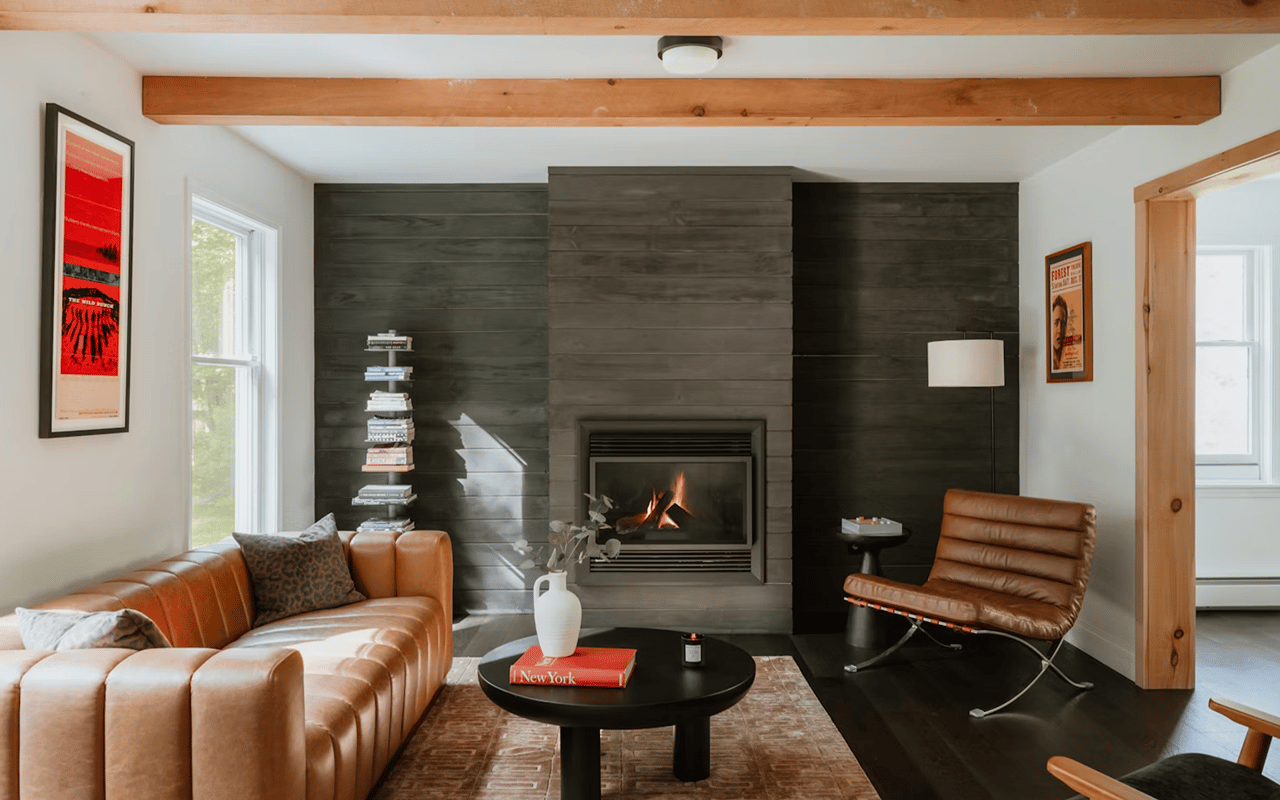
Placement matters just as much as size. Many people push furniture against the walls, believing that it makes a room feel larger. In most cases, the opposite is true. Floating furniture slightly away from walls creates a layered look that actually makes a room feel more intentional and spacious. Arranging seating around a focal point like a coffee table or fireplace also draws the eye inward, which helps anchor the space.
Scale is not only about individual pieces; it is about proportion relative to the entire room. A king-sized bed in a modest bedroom will dominate every inch of space, leaving no room for nightstands, dressers, or any breathing room at all. Scaling down to a queen, or even a full-sized bed, gives you the visual impact you want without consuming the room entirely.
Placement matters just as much as size. Many people push furniture against the walls, believing that it makes a room feel larger. In most cases, the opposite is true. Floating furniture slightly away from walls creates a layered look that actually makes a room feel more intentional and spacious. Arranging seating around a focal point like a coffee table or fireplace also draws the eye inward, which helps anchor the space.
Furniture Choices That Open Up a Room
-
Opt for sofas and chairs with exposed legs rather than pieces with solid bases that block light.
-
Use a round dining table in smaller dining spaces; corners are visually harder than curves in tight quarters.
-
Choose a daybed or storage ottoman instead of a bulky loveseat in a small living room or guest room.
-
Avoid overcrowding with too many pieces; two or three well-chosen items outperform a room full of smaller, mismatched furniture.
-
Consider transparent materials like acrylic or glass for coffee tables or side tables to maintain visual openness.
Use Vertical Space to Your Advantage
Most people think about floor space when they think about a room's capacity, but the vertical plane offers just as much opportunity. Ceiling height is one of the first features a buyer notices when walking into a home, and designing upward draws the eye toward that height, making the entire room feel more expansive.
Floor-to-ceiling shelving is one of the most effective tools available. It provides substantial storage and makes the ceiling feel higher in the process. The same principle applies to window treatments: hanging curtains closer to the ceiling rather than just above the window frame creates the visual impression of taller walls and more volume in the space.
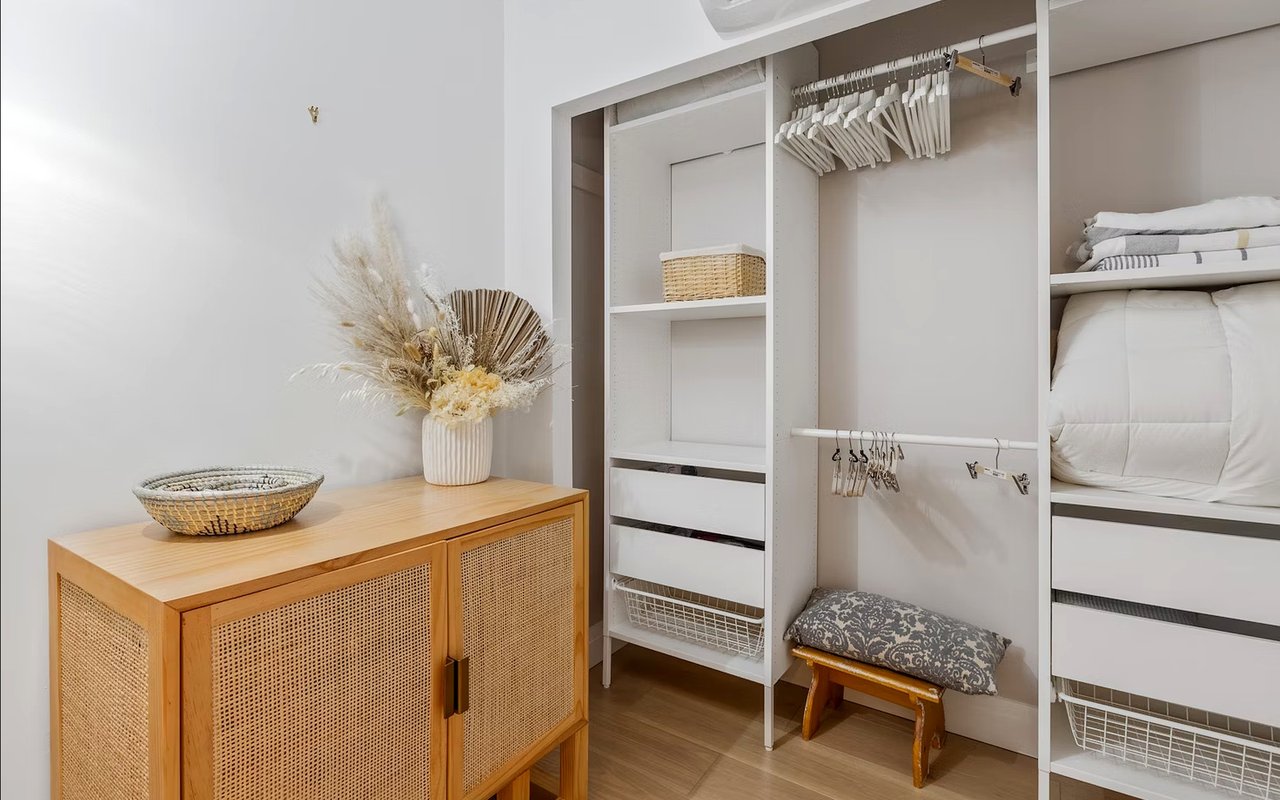
Built-ins are worth considering if you are investing in a home for the long term. A built-in bookcase, entertainment unit, or window seat with hidden storage eliminates the need for multiple freestanding furniture pieces while giving a room a polished, custom feel. Even without built-ins, tall bookcases, ladder shelves, and wall-mounted storage all serve the same purpose.
Floor-to-ceiling shelving is one of the most effective tools available. It provides substantial storage and makes the ceiling feel higher in the process. The same principle applies to window treatments: hanging curtains closer to the ceiling rather than just above the window frame creates the visual impression of taller walls and more volume in the space.
Built-ins are worth considering if you are investing in a home for the long term. A built-in bookcase, entertainment unit, or window seat with hidden storage eliminates the need for multiple freestanding furniture pieces while giving a room a polished, custom feel. Even without built-ins, tall bookcases, ladder shelves, and wall-mounted storage all serve the same purpose.
How to Maximize Vertical Space
-
Hang curtain rods a few inches below the ceiling, not just above the window, and use full-length panels that drape to the floor.
-
Install floating shelves in living rooms, kitchens, and home offices to free up floor space while keeping items accessible.
-
Use the space above kitchen cabinets for decorative storage or baskets with less frequently used items.
-
In bedrooms, choose a bed frame with built-in drawers underneath rather than using under-bed storage bins.
-
Stack items in closets all the way to the top shelf and use shelf dividers to keep everything organized and accessible.
Harness Light to Transform a Room
Natural light is one of the most powerful tools in any designer's toolkit. Rooms that receive abundant sunlight feel larger, more welcoming, and more livable. Maximizing the light you have is always the first step before introducing artificial sources.
Window treatments should enhance light rather than blocking it. Heavy drapes in dark colors absorb light and shrink a room visually. Instead, opt for sheer curtains, linen panels, or cellular shades that filter light. If a window has an obstructed view but still brings in ample light, consider frosted glass film rather than a solid window covering.
Artificial lighting is equally important. Overhead lighting alone creates flat, shadowless illumination that does little for a room's sense of depth. Layering light from multiple sources at different heights, including floor lamps, table lamps, and wall sconces, creates warmth and dimension. Under-cabinet lighting in kitchens and bathrooms is especially effective; it brightens work surfaces and makes those spaces feel far more functional.
Window treatments should enhance light rather than blocking it. Heavy drapes in dark colors absorb light and shrink a room visually. Instead, opt for sheer curtains, linen panels, or cellular shades that filter light. If a window has an obstructed view but still brings in ample light, consider frosted glass film rather than a solid window covering.
Artificial lighting is equally important. Overhead lighting alone creates flat, shadowless illumination that does little for a room's sense of depth. Layering light from multiple sources at different heights, including floor lamps, table lamps, and wall sconces, creates warmth and dimension. Under-cabinet lighting in kitchens and bathrooms is especially effective; it brightens work surfaces and makes those spaces feel far more functional.
Lighting Strategies for Small Spaces
-
Use warm-toned bulbs in living areas and bedrooms and brighter, cooler tones in kitchens and bathrooms.
-
Place a floor lamp in a dark corner to eliminate the visual dead zones that make rooms feel smaller.
-
Consider recessed lighting in low-ceiling spaces; it provides ample illumination without the visual weight of a hanging fixture.
-
Clean your windows regularly; even a light film of grime can noticeably reduce the amount of natural light that enters a room.
-
Use light-colored lampshades rather than dark ones to maximize the light each source projects into the room.
Apply Color and Mirrors Strategically
Color has a direct impact on how a room reads spatially. Light, neutral colors reflect more light and make walls feel farther apart, while very dark or saturated tones absorb light and create a more close-knit, contained feeling. Neither is inherently wrong, but understanding the effect each has allows you to use color intentionally.
A monochromatic or tone-on-tone color scheme is one of the most reliable approaches for smaller spaces. When walls, trim, and even larger furniture pieces share a similar palette, the eye moves through the room without interruption. That uninterrupted visual flow creates a sense of seamlessness that reads as spaciousness.
Mirrors are a classic interior design tool for good reason: they reflect both light and space, effectively doubling the visual depth of any room. A large mirror on a wall opposite a window reflects the great outdoors and creates the impression of a second window. In dining rooms, a mirrored wall or a large statement mirror behind a credenza adds dimension that would otherwise require a costly renovation.
A monochromatic or tone-on-tone color scheme is one of the most reliable approaches for smaller spaces. When walls, trim, and even larger furniture pieces share a similar palette, the eye moves through the room without interruption. That uninterrupted visual flow creates a sense of seamlessness that reads as spaciousness.
Mirrors are a classic interior design tool for good reason: they reflect both light and space, effectively doubling the visual depth of any room. A large mirror on a wall opposite a window reflects the great outdoors and creates the impression of a second window. In dining rooms, a mirrored wall or a large statement mirror behind a credenza adds dimension that would otherwise require a costly renovation.
Color and Mirror Tips That Expand a Space
-
Paint the ceiling the same color as the walls or one to two shades lighter to blur the boundary between them and make the room feel taller.
-
Use a consistent flooring material throughout connected spaces rather than abruptly changing materials at doorways; continuity reads as size.
-
Place a large mirror directly across from a hallway entry to immediately create depth and light as someone enters the home.
-
In small bathrooms, consider a full-wall mirror rather than a standard vanity mirror; it is one of the most impactful upgrades available.
-
Limit the number of accent colors in a small room to two or three; too many competing tones fragment the space visually.
FAQs
What Is the Best Color To Paint a Small Room?
Light, soft neutrals, such as warm whites, soft grays, and pale greiges, are generally the most effective choices for small rooms because they reflect light and make walls feel farther apart. That said, there are no absolute rules. A deeply saturated color applied consistently to walls, trim, and ceiling can create a cocooning effect that feels intentional rather than cramped. The key is to choose one approach and commit to it rather than using a mix of tones that fragments the space.
Does Furniture Arrangement Really Affect How Big a Room Feels?
Absolutely. Furniture placement has one of the most immediate effects on spatial perception. Pushing all furniture against the walls creates an empty center that actually feels awkward rather than open. Floating furniture in a conversation grouping, choosing appropriately scaled pieces, and leaving clear pathways through the room all contribute to how spacious the home feels.
How Can I Add Storage Without Making a Small Room Feel Cluttered?
The most effective approach is to prioritize concealed storage over open storage wherever possible. Ottomans with removable lids, beds with built-in drawers, and furniture with closed cabinets all store items without putting them on display. When open shelving is necessary, maintaining a consistent visual style through matching baskets, books organized by color, or minimal decorative objects keeps the look clean rather than chaotic.
Your Space Has More Potential Than You Think
Every home has underutilized potential, and often, the spaces that feel the most limiting are the ones closest to a breakthrough. The right furniture choices, a more thoughtful approach to light and color, and a commitment to vertical storage can transform how a space looks and functions.
If you are thinking about buying or selling a home in Cleveland and want trusted guidance on how to present a property at its best, I would love to help. Reach out to me, Adam S. Kaufman, today.
If you are thinking about buying or selling a home in Cleveland and want trusted guidance on how to present a property at its best, I would love to help. Reach out to me, Adam S. Kaufman, today.