By Adam S. Kaufman
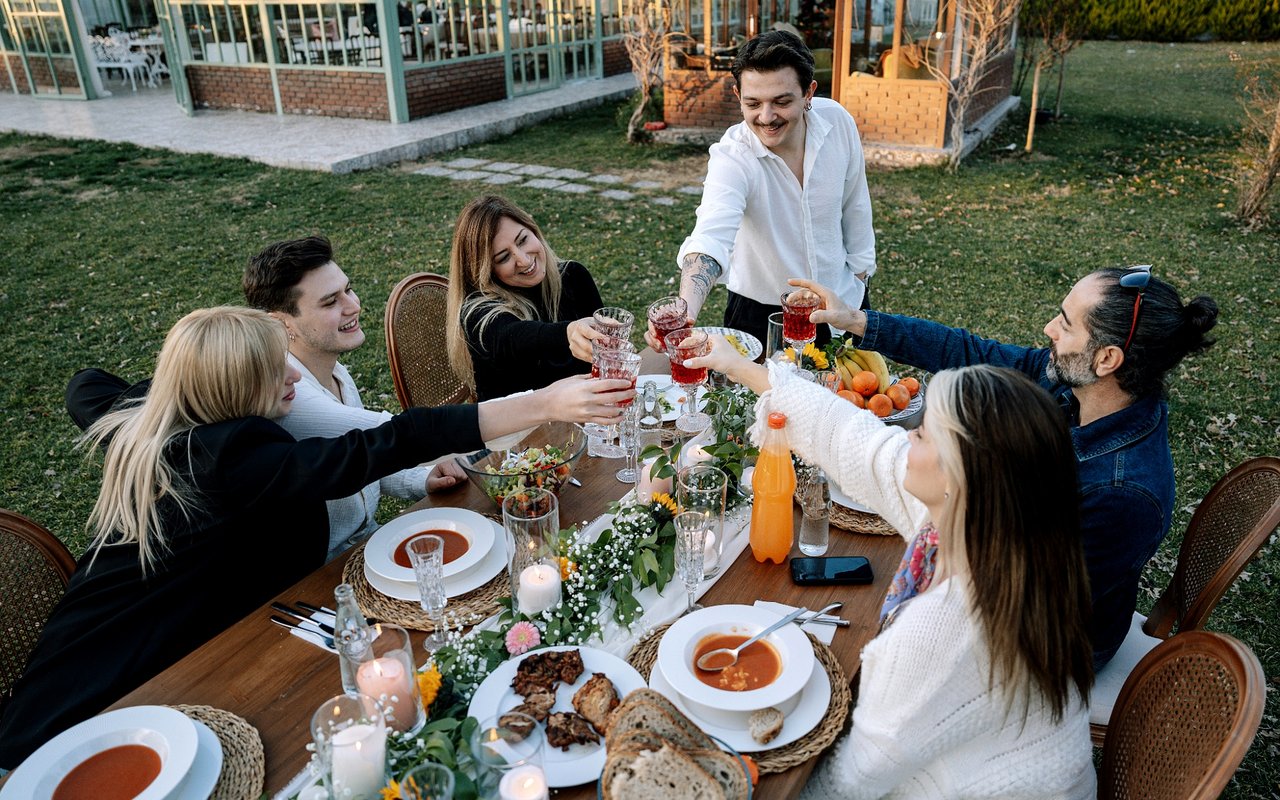
There's a particular kind of happiness that comes from hosting a gathering in an outdoor space that actually works. The conversation flows easily, there's room to move, the grill is positioned perfectly, and the space feels like a natural extension of the home rather than an afterthought. That kind of outdoor living space doesn't happen by accident; it comes from intentional planning and a clear understanding of how you want to use the space.
In Cleveland, where summers are beautiful and spring and fall offer more usable outdoor days than many people give the region credit for, a well-designed backyard is one of the most rewarding investments a homeowner can make. Whether you're working with a modest suburban lot or a more generous property, the principles of a functional, inviting outdoor entertaining space remain consistent. Scale and materials will vary, but the fundamentals of fantastic outdoor design don't.
If you've been putting off the backyard project or aren't sure where to start, this guide will walk you through the elements that matter most.
Key Takeaways
-
A well-designed outdoor entertaining space starts with defining distinct zones for cooking, dining, and lounging so that the space functions well, regardless of group size.
-
Durable, weather-appropriate materials are especially important in the Cleveland climate, where outdoor furniture and surfaces need to hold up through cold winters and humid summers.
-
Lighting transforms an outdoor space from a daytime amenity to an evening destination and is one of the highest-return investments in any backyard project.
-
Shade and wind protection extend the usability of your outdoor space meaningfully, particularly in the transitional months of spring and fall.
-
Thoughtful landscaping, framing, and screening make an outdoor entertaining area feel like a defined, intentional space rather than an open yard with furniture in it.
Define Your Zones Before You Start Shopping
The most common mistake homeowners make when designing an outdoor entertaining space is starting with furniture or a grill rather than starting with a plan. Without a clear sense of how the space will be zoned and used, purchases tend to be reactive, and the result is often a backyard that feels cluttered or doesn't flow well when people are actually in it.
Think about the space in terms of three distinct functional zones: a cooking and prep area, a dining area, and a lounge or conversation area. These don't need to be formally divided with hard boundaries, but each should have enough dedicated space to function independently. When a cooking zone is too close to the seating area, smoke and heat become a problem. When the dining table is too far from the grill, hosting becomes logistically awkward. When there's no dedicated lounge area, guests tend to drift or cluster in ways that make the space feel unbalanced.
In smaller yards, these zones can overlap and share space intelligently. A dining table that doubles as a prep surface when the meal is being cooked, or a built-in bench that bridges the transition between the dining area and the lounge space, can help a more modest footprint function as well as a much larger one. The goal is intentionality, not square footage.
Think about the space in terms of three distinct functional zones: a cooking and prep area, a dining area, and a lounge or conversation area. These don't need to be formally divided with hard boundaries, but each should have enough dedicated space to function independently. When a cooking zone is too close to the seating area, smoke and heat become a problem. When the dining table is too far from the grill, hosting becomes logistically awkward. When there's no dedicated lounge area, guests tend to drift or cluster in ways that make the space feel unbalanced.
In smaller yards, these zones can overlap and share space intelligently. A dining table that doubles as a prep surface when the meal is being cooked, or a built-in bench that bridges the transition between the dining area and the lounge space, can help a more modest footprint function as well as a much larger one. The goal is intentionality, not square footage.
How to Lay Out Your Core Zones
-
Position the cooking zone with access to the home's interior in mind, since you'll be moving between the kitchen and the grill regularly during any gathering.
-
Place the dining area close enough to the cooking zone to make serving practical but with enough separation that guests aren't in the middle of the action while the meal is being prepared.
-
Anchor the lounge zone away from the cooking area so that it offers a quieter, more relaxed atmosphere for conversation before and after the meal.
-
Consider traffic flow carefully, since there should be clear pathways between zones that don't require guests to navigate around furniture or through active cooking areas.
-
If your yard has a natural focal point, such as a view, a mature tree, or an existing garden, orient at least one zone toward it so that the layout takes advantage of what's already there.
Choose Materials That Work with the Cleveland Climate
Outdoor furniture and surface materials in Cleveland need to earn their place. For seating and dining furniture, teak, powder-coated aluminum, and high-density polyethylene resin are among the most durable options for a four-season climate. Teak weathers beautifully and is naturally resistant to moisture; aluminum is lightweight, rust-resistant, and holds up well through freeze-thaw cycles; and resin wicker offers the look of natural wicker with considerably better longevity in variable weather. Wrought iron is a classic choice as well, though it requires more maintenance to prevent surface rust over time.
For hard surfaces, whether you're laying a patio, extending a deck, or adding a pathway, material choice is equally important. Composite decking has become a popular option in the Cleveland area because it resists moisture, doesn't splinter, and requires significantly less maintenance than traditional wood. Concrete pavers and natural stone are both excellent choices for patios, offering durability and a range of aesthetic options. Pressure-treated wood remains a great option for decks but requires consistent sealing and maintenance to hold up well over time.
For hard surfaces, whether you're laying a patio, extending a deck, or adding a pathway, material choice is equally important. Composite decking has become a popular option in the Cleveland area because it resists moisture, doesn't splinter, and requires significantly less maintenance than traditional wood. Concrete pavers and natural stone are both excellent choices for patios, offering durability and a range of aesthetic options. Pressure-treated wood remains a great option for decks but requires consistent sealing and maintenance to hold up well over time.
Material Choices That Perform Well in Cleveland's Climate
-
Powder-coated aluminum furniture resists rust and handles freeze-thaw cycles without warping or deteriorating.
-
Teak furniture weathers naturally to a silver-gray patina if left untreated, or it can be oiled annually to maintain its warm honey tone.
-
Composite decking eliminates the annual sealing and staining cycle that wood requires and holds its appearance through years of weather exposure.
-
Concrete pavers offer flexibility in design, solid durability, and the ability to lift and reset individual pieces if the ground shifts over time.
-
Outdoor-rated fabrics in solution-dyed acrylic, such as Sunbrella, resist fading, moisture, and mildew far better than standard upholstery materials.
Lighting and Shade
For shade, the options range from permanent structures like pergolas and pavilions to more flexible solutions like sail shades, retractable awnings, and large market umbrellas. In Cleveland, where summer afternoons can bring both heat and unexpected rain, a pergola with a retractable canopy or a well-placed awning offers the most versatile coverage. A pergola without a cover can still provide partial shade and serve as an excellent framework for climbing plants, string lights, or an outdoor ceiling fan that improves airflow on warm evenings.
Outdoor lighting deserves as much planning as any other element of the space. String lights remain one of the most effective and affordable ways to create warmth and ambiance in an outdoor entertaining area. Layering them with pathway lighting, uplighting on trees or architectural features, and task lighting near the grill and dining table creates a space that feels intentional and welcoming after dark. Low-voltage LED systems are energy-efficient and widely available in designs that work well in residential outdoor settings.
Outdoor lighting deserves as much planning as any other element of the space. String lights remain one of the most effective and affordable ways to create warmth and ambiance in an outdoor entertaining area. Layering them with pathway lighting, uplighting on trees or architectural features, and task lighting near the grill and dining table creates a space that feels intentional and welcoming after dark. Low-voltage LED systems are energy-efficient and widely available in designs that work well in residential outdoor settings.
Lighting and Shade Solutions Worth Considering
-
A pergola with a retractable canopy provides flexible coverage that adapts to changing weather conditions throughout the day.
-
String lights overhead — across the dining and lounge areas — create warmth and define the space visually once the sun goes down.
-
Pathway lighting along the edges of the patio or along walkways improves both the appearance and the practicality of the space after dark.
-
An outdoor ceiling fan mounted to a covered pergola or porch ceiling makes a significant difference in comfort on warm summer evenings.
-
Uplighting on mature trees, garden walls, or architectural features adds depth and visual interest to the space at night.
FAQs
What's the Best Type of Grill Setup for Outdoor Entertaining?
For serious entertaining, a built-in grill station offers the most functional and aesthetically integrated solution. It creates a dedicated cooking zone, provides counter space for prep and plating, and eliminates the need to move a freestanding grill around the yard. That said, a high-quality freestanding grill positioned thoughtfully within a well-designed cooking zone can perform just as well functionally. The choice often comes down to budget and how permanently you want to commit to a specific layout.
How Do I Make a Small Backyard Work for Entertaining?
Small backyards can be excellent entertaining spaces when the layout is planned carefully. The key is to prioritize one or two zones rather than trying to fit all three into a space that can't comfortably accommodate them. A compact dining and lounge area with a portable or built-in grill nearby can function beautifully in a modest footprint. Vertical elements, including planters, trellises, and string lights overhead, draw the eye upward and make a smaller space feel more expansive.
When Should I Start an Outdoor Renovation Project in Cleveland?
Late winter or very early spring is generally the best time to start planning and contracting, since landscapers, deck builders, and patio contractors book up quickly once the season gets underway. If you want the project complete for summer entertaining, securing your contractor in February or March improves your chances of a timely completion.
Make the Yard a Standout in Your Cleveland Home
A great outdoor entertaining space doesn't require an unlimited budget or a sprawling lot. It requires thoughtful planning, materials chosen for the climate, and attention to the elements that affect how people experience the space: light, shade, flow, and comfort.
Cleveland’s summers are worth celebrating outdoors. Whether you're hosting a casual weeknight dinner or a full weekend gathering, the right outdoor space makes every one of those moments better. Start with a clear plan, invest in what matters most, and build something that works for how you actually live.
If you're thinking about buying or selling a home in the Cleveland area and want guidance on how outdoor spaces factor into value and buyer appeal, I'd love to help. Reach out to me, Adam S. Kaufman, and let's talk about making the most of your next move.
Cleveland’s summers are worth celebrating outdoors. Whether you're hosting a casual weeknight dinner or a full weekend gathering, the right outdoor space makes every one of those moments better. Start with a clear plan, invest in what matters most, and build something that works for how you actually live.
If you're thinking about buying or selling a home in the Cleveland area and want guidance on how outdoor spaces factor into value and buyer appeal, I'd love to help. Reach out to me, Adam S. Kaufman, and let's talk about making the most of your next move.