By Adam S. Kaufman
There's something appealing about being the first person to live in a home — with no one else's design choices to undo, no mystery maintenance history to unravel, and no compromises built in from a previous owner's preferences. For buyers in the Cleveland area, new construction has become an increasingly compelling option, and it's not hard to understand why. From the ability to personalize the finishes to the peace of mind that comes with modern building standards, new builds offer a distinct set of advantages that resale homes simply can't replicate.
Whether you're a first-time buyer drawn to the predictability of a new build or a move-up buyer looking to customize your next chapter, understanding what new construction actually offers (and what to watch for) puts you in a much stronger position when it's time to decide.
This isn't a decision to make lightly, and it's not one you have to navigate alone. Here's a detailed look at the real advantages of buying new construction in Cleveland and what you should keep in mind as you explore your options.
Key Takeaways
- New construction homes offer buyers the opportunity to customize finishes, layouts, and features to suit their lifestyle before moving in.
- Modern building codes and materials mean that new builds typically come with greater energy efficiency and lower early maintenance costs than older resale homes.
- Builder warranties provide a layer of protection that resale purchases don't include, covering everything from appliances to structural components.
- The buying process for new construction differs meaningfully from a resale transaction, and having an experienced local agent on your side helps ensure that your interests are represented throughout.
You Get to Make It Yours from the Start
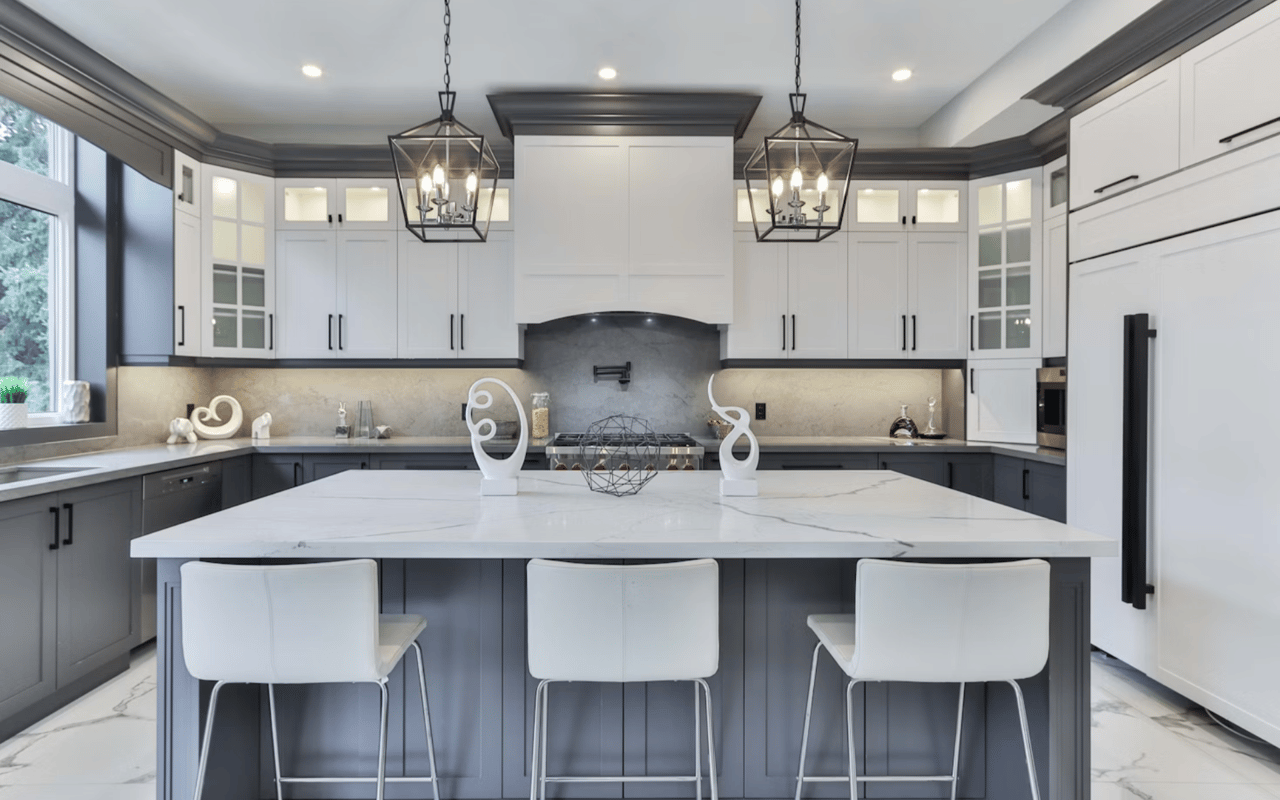
One of the most significant draws of new construction is the ability to personalize your home before you ever move in. Depending on the builder and the stage of construction when you purchase, you may have the opportunity to select everything from the cabinet finishes and the countertop materials to flooring, fixtures, and paint colors. For buyers who have spent years touring resale homes and mentally calculating renovation costs, that kind of creative control is a real advantage.
The degree of customization available varies by builder and by price point. Production builders typically offer a selection of pre-set packages and upgrade options through a design center. Custom builders, on the other hand, can work with you from the ground up on a fully bespoke design. Either path gives you more influence over the finished product than a resale purchase ever could.
It's worth noting that upgrade selections can add notably to your final purchase price, so it's important to set a clear budget for the design center process and stick to it. I always encourage buyers I work with to prioritize upgrades that are difficult or expensive to add later, such as structural options, electrical rough-ins, and extended hardwood flooring, over cosmetic choices that can be updated down the road.
The degree of customization available varies by builder and by price point. Production builders typically offer a selection of pre-set packages and upgrade options through a design center. Custom builders, on the other hand, can work with you from the ground up on a fully bespoke design. Either path gives you more influence over the finished product than a resale purchase ever could.
It's worth noting that upgrade selections can add notably to your final purchase price, so it's important to set a clear budget for the design center process and stick to it. I always encourage buyers I work with to prioritize upgrades that are difficult or expensive to add later, such as structural options, electrical rough-ins, and extended hardwood flooring, over cosmetic choices that can be updated down the road.
Customization Options Commonly Available in New Builds
- Flooring selections across the main living areas, including hardwood, luxury vinyl plank, and tile options.
- Cabinet style, finish, and hardware throughout the kitchen and bathrooms.
- Countertop materials, typically ranging from laminate standards to granite and quartz upgrades.
- Fixture finishes in plumbing and lighting, allowing for a cohesive aesthetic throughout the home.
- Structural options, such as additional windows, extended rooms, or finished basement packages, depending on the builder's offerings.
Lower Maintenance Costs in the Early Years
One of the most practical advantages of buying new construction is what you're not dealing with in the first several years of ownership. Resale homes, even well-maintained ones, typically come with aging systems and components that will eventually need attention. A furnace that's twelve years old, a roof approaching the end of its lifespan, or plumbing that predates modern materials are the kinds of items that show up in inspection reports and create negotiation complexity. With new construction, those concerns are largely off the table, at least for the near future.
Modern building codes also mean that new homes are constructed to higher standards than homes built even ten or fifteen years ago. Insulation requirements, window efficiency ratings, HVAC system specifications, and framing standards have all improved, which translates directly into lower utility costs and a more comfortable living environment.
For buyers who are stretching their budget to get into their desired neighborhood or price point, the predictability of new construction costs can be genuinely helpful. You're not walking into an unknown maintenance situation; you're starting with a clean slate and modern systems that are under warranty.
Modern building codes also mean that new homes are constructed to higher standards than homes built even ten or fifteen years ago. Insulation requirements, window efficiency ratings, HVAC system specifications, and framing standards have all improved, which translates directly into lower utility costs and a more comfortable living environment.
For buyers who are stretching their budget to get into their desired neighborhood or price point, the predictability of new construction costs can be genuinely helpful. You're not walking into an unknown maintenance situation; you're starting with a clean slate and modern systems that are under warranty.
Areas Where New Construction Typically Outperforms Older Resale Homes
- Energy efficiency, including better insulation, higher-rated windows, and more efficient HVAC systems, which reduces monthly utility costs.
- Plumbing and electrical systems built to current code, reducing the likelihood of early repairs or replacements.
- Roofing, siding, and exterior components that come with manufacturer warranties and years of useful life ahead.
- Appliances that are new, matched in finish, and typically covered under manufacturer warranties at the time of purchase.
- Smart home pre-wiring and technology infrastructure that older homes often lack entirely.
Builder Warranties Add a Layer of Protection
When you buy a resale home, you're buying it largely as-is, with whatever protections a home warranty product might offer. When you buy new construction, the builder stands behind the product in a more structured way. Most builders offer tiered warranty coverage that typically includes a one-year workmanship warranty, a two-year systems warranty covering mechanical, electrical, and plumbing, and a ten-year structural warranty.
These warranties matter because even well-built homes occasionally have issues in the first year or two as the structure settles and systems get their first sustained use. Knowing that those issues are covered — and that you have a clear process for getting them addressed — provides real peace of mind that resale purchases don't offer.
It's important to read the warranty documentation carefully before closing and to understand exactly what is and isn't covered, what the claims process looks like, and whether the warranty is backed by the builder directly or by a third-party insurer.
These warranties matter because even well-built homes occasionally have issues in the first year or two as the structure settles and systems get their first sustained use. Knowing that those issues are covered — and that you have a clear process for getting them addressed — provides real peace of mind that resale purchases don't offer.
It's important to read the warranty documentation carefully before closing and to understand exactly what is and isn't covered, what the claims process looks like, and whether the warranty is backed by the builder directly or by a third-party insurer.
What Builder Warranties Typically Cover
- First-year coverage for defects, including issues with finishes, fixtures, doors, and windows.
- Two-year coverage for mechanical systems, such as the HVAC, plumbing, and electrical components installed by the builder.
- Ten-year structural coverage for defects related to load-bearing elements, the foundation, and the framing of the home.
- Appliance coverage through individual manufacturer warranties, which typically run one to two years from the date of installation.
- Specific exclusions that vary by builder, which is why reviewing the full warranty document with your agent before closing is essential.
FAQs
How Long Does It Take to Build a New Construction Home in the Cleveland Area?
Timelines vary depending on the builder, the complexity of the home, and current construction conditions. Production homes on existing lots typically take anywhere from six to twelve months from contract to closing. Custom builds can take longer, often twelve to twenty-four months, depending on the scope of the project. Supply chain conditions and local permitting can also affect timelines, so it's worth asking your builder for a realistic projection and building some flexibility into your plans.
Can I Negotiate the Price on a New Construction Home?
The purchase price itself is often less flexible with builders than it is in a resale transaction, but that doesn't mean there's no room to negotiate. Builders may be willing to offer incentives, such as closing cost contributions, free upgrades in the design center, or rate buydowns through their preferred lender, particularly if they have inventory that needs to move.
What Should I Look for in a Builder Before Committing?
Builder reputation, financial stability, and the quality of their completed work are the three most important factors to evaluate. Ask to tour completed homes, speak with past buyers if possible, and research any complaints filed. A builder's track record in your specific price range is particularly relevant, since quality and process can vary across a builder's portfolio.
The Right Start in the Right Home
Buying new construction in Cleveland is one of the most direct paths to a home that fits your life exactly as it is right now, with the systems, finishes, and features you actually want, rather than ones you'll spend years updating. The advantages are real and meaningful, and so are the nuances of the process.
The key is going in informed, with a clear sense of your priorities, a realistic budget that accounts for upgrades, and an agent who knows the local market and the builders operating in it.
If you're exploring new construction options in the Cleveland area, I'd love to help you find the right community and navigate the process from contract to closing. Reach out to me, Adam S. Kaufman, and let's start the conversation.
The key is going in informed, with a clear sense of your priorities, a realistic budget that accounts for upgrades, and an agent who knows the local market and the builders operating in it.
If you're exploring new construction options in the Cleveland area, I'd love to help you find the right community and navigate the process from contract to closing. Reach out to me, Adam S. Kaufman, and let's start the conversation.