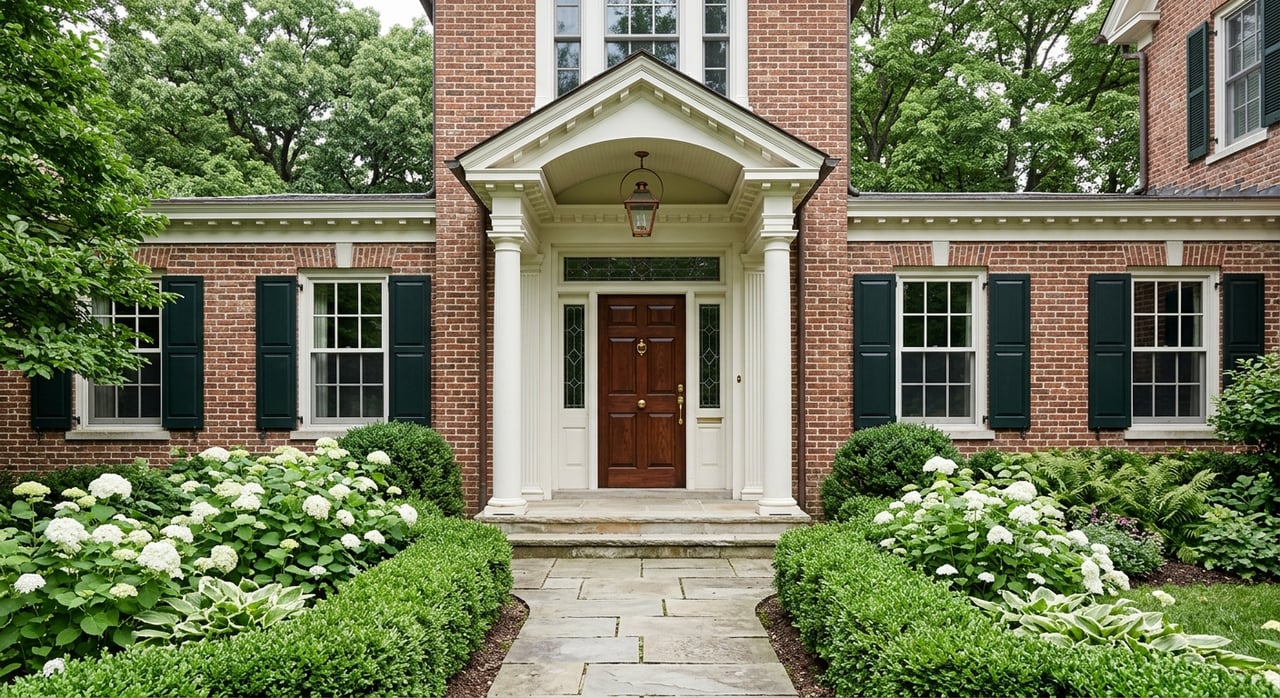
Selling a historic home in Shaker Heights is not the same as selling just any older house. Buyers notice character, but so does the city, and the wrong pre-listing update can create delays, extra cost, or unnecessary approval issues. If you want to protect your home’s appeal and prepare it smartly, a preservation-minded plan matters. Let’s dive in.
Start With Shaker Heights Rules
Shaker Heights is a preservation-sensitive market. According to the city, about 75% of the community lies within the Shaker Village district listed on the National Register of Historic Places, and the city also includes local landmark districts and individually designated local landmarks.
That matters because exterior work often involves review. The Landmark Commission reviews exterior changes to individual landmarks, and the Architectural Board of Review reviews many exterior changes to existing buildings, including additions, windows, doors, decks, roofing, siding, and certain auxiliary structures.
In plain terms, a project that feels like simple sale prep in another suburb may need approval in Shaker Heights. Before you replace windows, change roofing, alter doors, or update exterior materials, check with the city first.
Preserve Character, Don’t Erase It
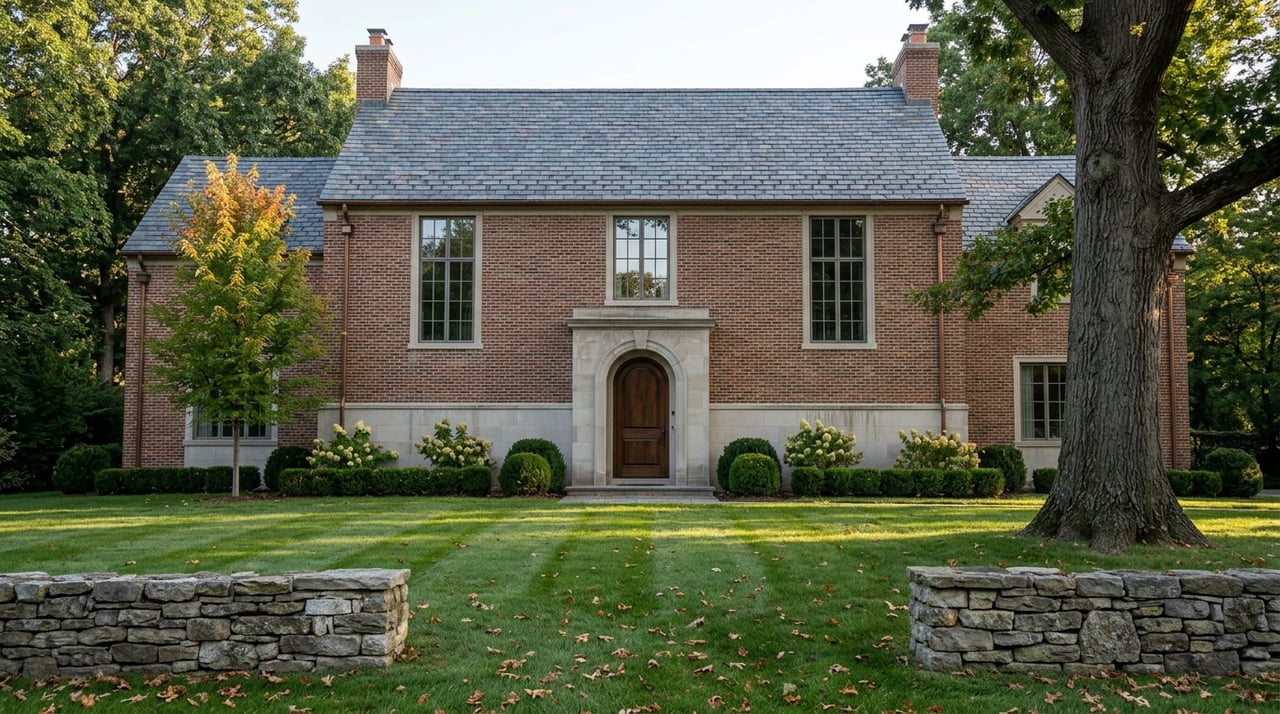
Shaker Heights bases its design guidelines on the Secretary of the Interior’s Standards for Rehabilitation. The city’s approach is broad and flexible, but the goal is still clear: protect the visible historic character of the home.
That means you usually do not need to turn your house into a museum. You do need to be thoughtful about features that define the property, especially on the exterior.
Focus on Repairs That Buyers and Inspectors Notice
If you are getting ready to list, start with the city’s point-of-sale inspection priorities. These items offer a practical roadmap for what can stand out during prep, showings, and the inspection process.
Exterior Repairs to Tackle First
Shaker Heights’ exterior checklist focuses on:
- chimney masonry
- gutters and downspouts
- walls and siding
- windows and doors
- steps
- painted surfaces
- roofs
- porches and railings
- foundations
- garage and shed condition
- yard cleanliness
- service walks and driveways
- fences
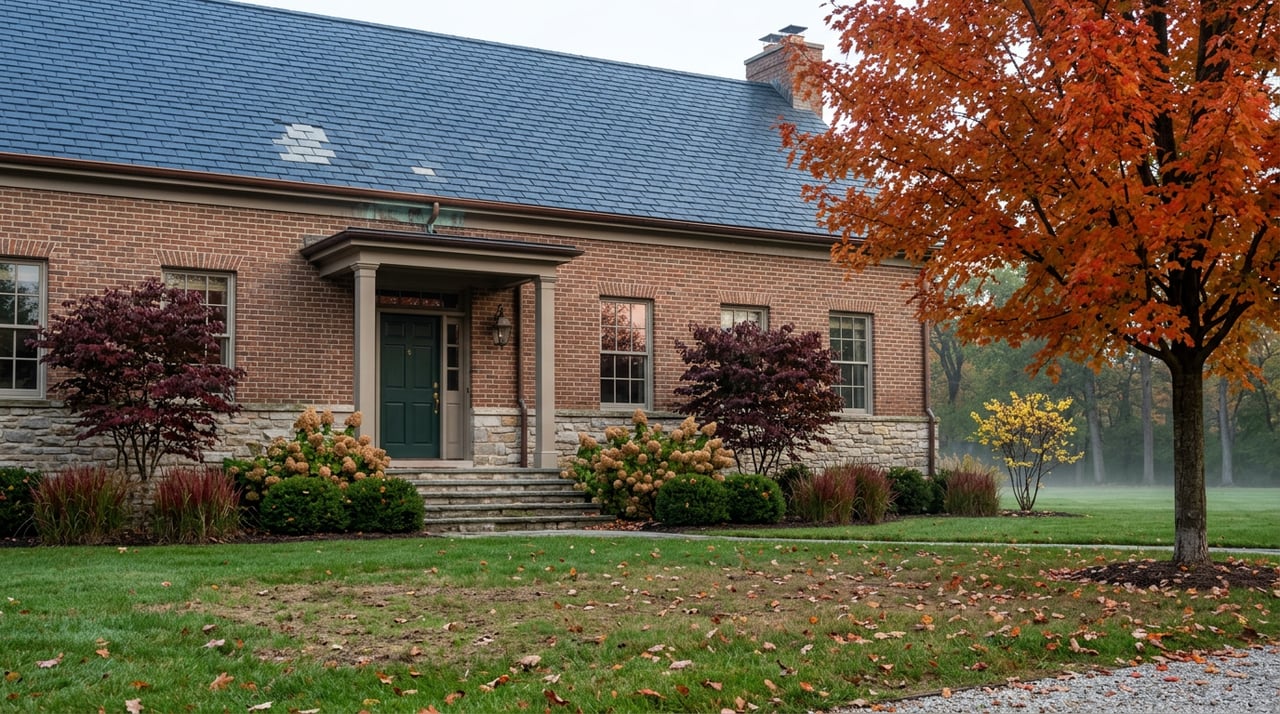
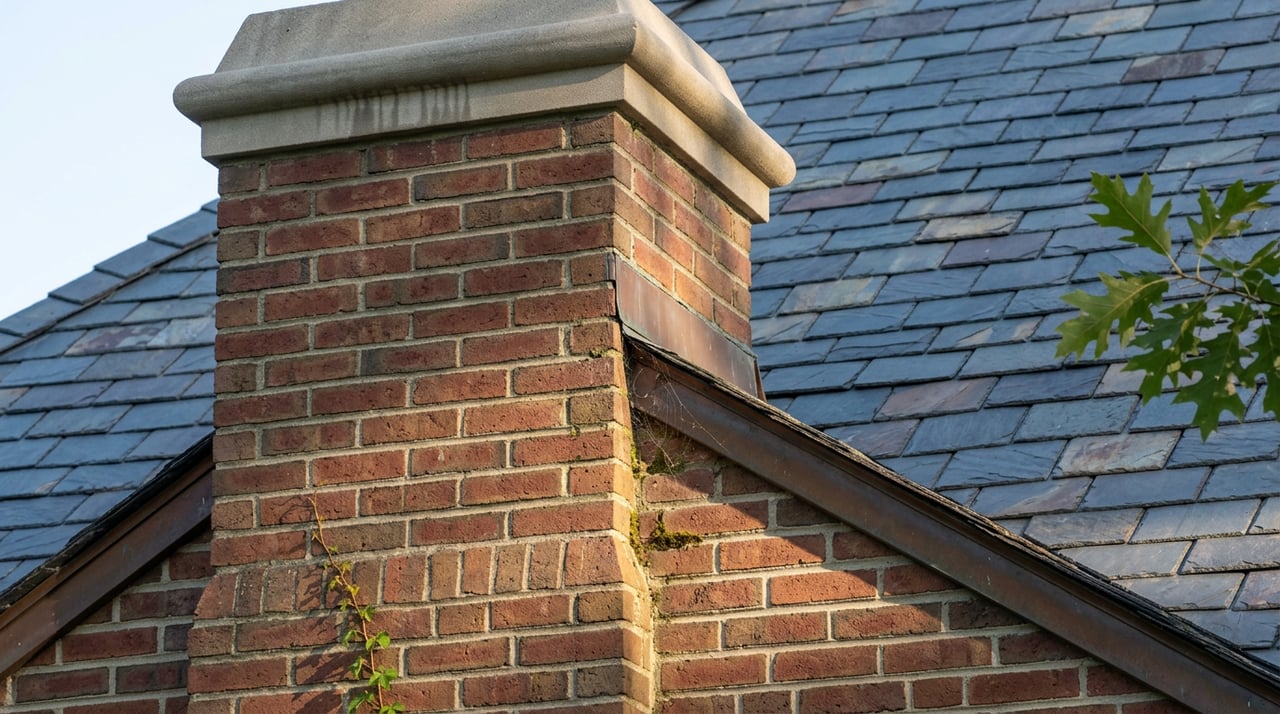
Common issues include peeling paint, broken glazing, damaged flashing, missing brick or mortar, and overgrown exterior areas. If your goal is to make a strong first impression, these are the areas to address first.
Interior Repairs That Matter Most
Inside the home, the city emphasizes safety, moisture, and system function. The interior inspection guidelines highlight:
- foundation seepage or cracks
- electrical panel and wiring safety
- working lights and receptacles
- plumbing leaks or damaged fixtures
- hot water tank setup
- heating equipment
- garage structure concerns
For most sellers, this creates a clear order of operations. Handle water issues, safety concerns, and mechanical problems before spending money on cosmetic upgrades.
Repair More Than You Replace
One of the biggest mistakes sellers make with historic homes is over-renovating. In Shaker Heights, that can hurt both the home’s character and your timeline.
The city notes that many older wood windows can be partially repaired rather than fully replaced. It also points out that original wood windows are common and structurally strong, with many Shaker homes still using windows that are about 80 years old.
Be Careful With Window Choices
If you are thinking about replacement windows, slow down. Vinyl windows can significantly change the look of a historic house, and they are not permitted in local landmark properties or districts.
Even when replacement is allowed, preserving original profiles and materials often supports the home’s appearance better than using a shortcut product. For many sellers, repair and weatherproofing make more sense than wholesale replacement.
Use Period-Appropriate Finishes
Fresh paint can absolutely help a home sell, but trend-driven choices are not always the best fit for a historic property. Shaker Heights does not regulate paint colors, yet it provides Shaker Village Colors guidance tied to local architectural styles and also offers pre-approved shingle color guidance.
That is a useful signal for sellers. Refresh the home, but do it in a way that fits the architecture rather than fighting it.
Avoid Damage During Prep
Historic materials need careful handling. The city specifically warns that sandblasting is not safe for historic masonry, so aggressive cleaning methods should be avoided.
This is especially important when you are trying to make brick, stone, or stucco look cleaner before photography or showings. The wrong method can cause permanent damage and create a more expensive problem than the one you started with.
Know What May Need Approval
In Shaker Heights, timing matters because many projects require permits or review. The city states that most construction activity beyond basic finishes requires a permit, and exterior modifications anywhere on the property require Planning Department approval and may also need Architectural Board of Review review.
For larger exterior projects, the city recommends preliminary submission, and some projects may require more than one meeting. If you are working backward from an ideal listing date, build in time for this.
Exterior Projects to Double-Check
Before starting work, confirm requirements for projects such as:
- roof replacement
- window changes
- door changes
- decks or porches
- additions or exterior alterations
- certain landscape structures
- siding changes
- accessory structure work
A quick check early can help you avoid rushed decisions, permit issues, or last-minute listing delays.
Get Ahead of the Point-of-Sale Inspection
Shaker Heights has a defined point-of-sale process, and sellers should plan around it early. The city requires residential sellers to submit the point-of-sale application online before entering into a contract with a buyer, and it encourages owners to complete the inspection before putting the home on the market.
That is smart advice. Knowing your issues before a buyer sees the property gives you more control over cost, timing, and presentation.
What to Expect From the Inspection
The inspection is a visual interior and exterior review. For single- and two-family homes, it takes about 90 minutes.
The city advises allowing at least two weeks from application, or three to four weeks during the spring market. If the property passes, the Certificate of Compliance remains valid for transfer for 24 months.
If the Home Does Not Pass
If violations are found, they must be corrected within 90 days or addressed through escrow. The escrow amount is 150% of the estimated repair cost, based on an itemized estimate from a registered contractor.
For sellers, this is another reason to inspect early. Surprises are easier to manage before your listing goes live than after negotiations begin.
Prepare for Disclosure and Lead-Safe Work
Historic homes often come with older materials, and sellers need to prepare carefully. Ohio law requires sellers of most one- to four-unit residential properties to complete the state property disclosure form covering major systems and known material defects.
That includes items such as the roof, foundation, walls, floors, water supply, sewer system, and hazardous materials including lead-based paint, asbestos, and radon gas. Accuracy matters, so take time to document what you know before listing.
Be Cautious With Pre-1978 Paint Work
For most pre-1978 homes, federal lead rules also apply before a contract is signed. Sellers and agents must provide known lead-based paint information and the required EPA pamphlet.
If your prep work will disturb paint in a pre-1978 home, the EPA’s Renovation, Repair and Painting rule can apply. Firms performing covered work must be certified and use lead-safe practices, so this is not the moment for casual scraping or unqualified paint removal.
Peeling, chipping, chalking, or cracking lead-based paint needs prompt attention. If the paint is in good condition, it is usually not considered a hazard.
Use the Home’s History as a Selling Feature
Historic homes often have a story, and in Shaker Heights, that story can help your listing stand out. The city maintains Historic Building Cards that may identify the build date, architect, builder, original owner, and estimated cost.
That information can help you confirm which details are original and worth highlighting in your marketing. Original millwork, windows, fireplaces, masonry, and architectural design become more meaningful when you can place them in context.
Helpful Local Research Tools
The city points owners to resources such as HistoricShaker.com, ShakerBuildings.com, and Cleveland Historical for home-history research. It also maintains contractor lists for original-material repair, including wood windows, slate roofing, stucco, and masonry.
For a seller, these tools can help answer a very practical question: should this item be restored, replaced, or simply maintained?
Stage the House Around Its Architecture
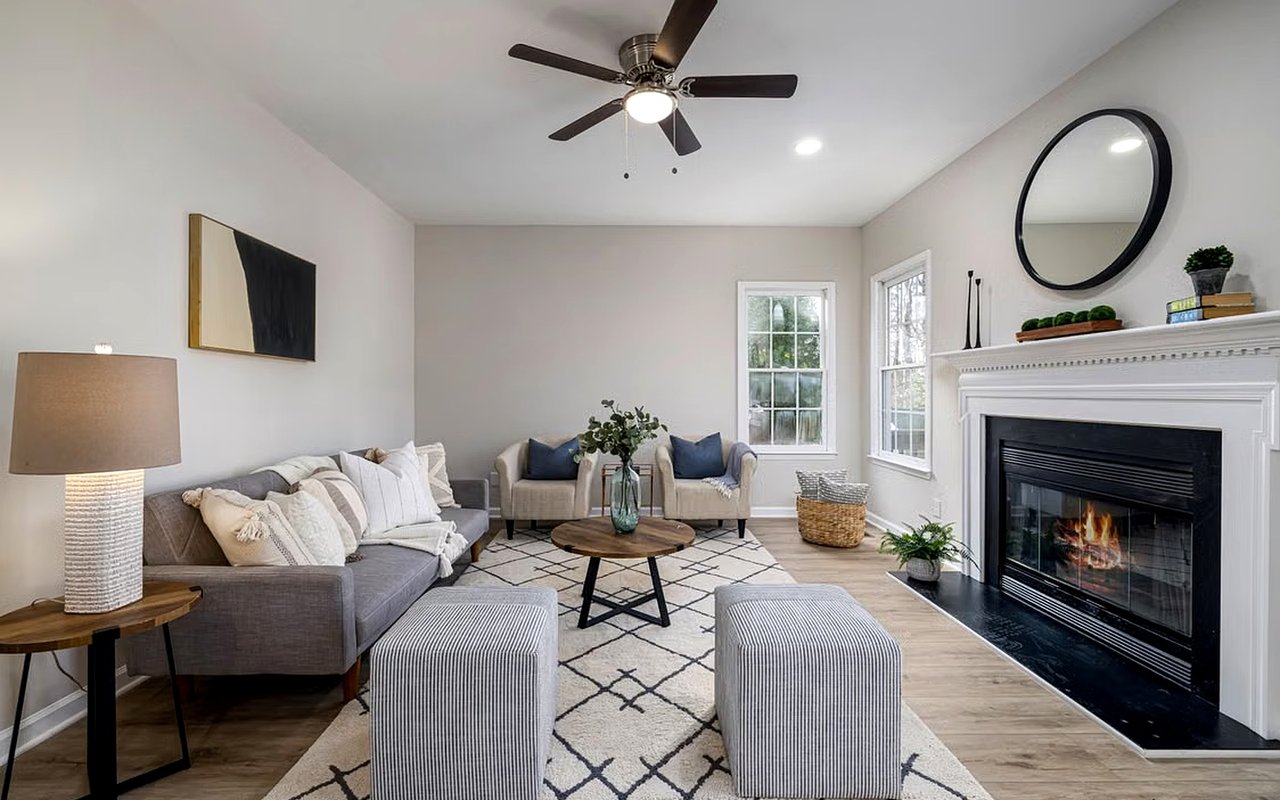
Staging a historic home works best when it supports the architecture instead of competing with it. National Association of REALTORS® guidance describes staging as helping buyers picture themselves in the home through decluttering and presentation rather than remodeling.
That approach fits Shaker Heights especially well. Historic homes already have personality, so your job is to let buyers see it clearly.
What Usually Works Best
For most historic Shaker Heights homes, the strongest staging plan is simple:
- remove clutter and personal items
- reduce oversized furniture
- keep closets from feeling crowded
- use fresh linens and towels
- improve the front entry
- keep decor restrained
- make original details easy to notice
Clean sightlines help buyers focus on windows, staircases, fireplaces, woodwork, and masonry. Those are often the features that make the house memorable.
Be Honest in Listing Photos
The same consumer guidance notes that material photo changes, including some virtual staging choices, should be disclosed. The safest approach is to present the home attractively but accurately.
In a market like Shaker Heights, authenticity usually wins. Buyers interested in historic homes tend to respond well to well-prepared spaces that feel true to the property.
Think Like a Steward and a Seller
The best results usually come from a balanced plan. Fix what affects safety, function, condition, and first impressions. Preserve the details that give the house its identity. Confirm approvals before starting exterior work. Then present the home in a way that feels polished, calm, and true to its architecture.
That is how you protect value without creating unnecessary risk. If you are preparing a historic Shaker Heights home for sale, experienced guidance can make the process much smoother from the first repair decision through launch day. When you are ready, connect with Adam Kaufman for thoughtful advice and polished seller representation.
FAQs
What repairs matter most before selling a historic Shaker Heights home?
- Start with safety, moisture, and visible condition issues. In Shaker Heights, common priorities include roof and flashing problems, peeling paint, masonry repair, broken glazing, gutters, porches, electrical concerns, plumbing leaks, and foundation seepage.
Does a Shaker Heights seller need a point-of-sale inspection before listing?
- The city requires sellers to submit the point-of-sale application before entering into a contract, and it encourages owners to complete the inspection before putting the home on the market.
Do window replacements in Shaker Heights require review?
- Many exterior changes may require Planning Department approval and possibly Architectural Board of Review review. Window changes are specifically among the types of exterior work sellers should double-check before starting.
Should you replace original wood windows in a Shaker Heights historic home?
- Not automatically. The city notes that many wood windows can be partially repaired and that original windows are common and structurally strong in older Shaker Heights homes.
What should a seller disclose for an older home in Ohio?
- Sellers of most one- to four-unit homes must complete Ohio’s property disclosure form covering known issues with major systems and known material defects, including items such as lead-based paint, asbestos, and radon gas.
How should you stage a historic Shaker Heights house for photos and showings?
- Keep the home clean, uncluttered, and lightly styled so buyers can focus on original architectural details. In most cases, restrained staging works better than trying to make a historic home feel overly modern or generic.