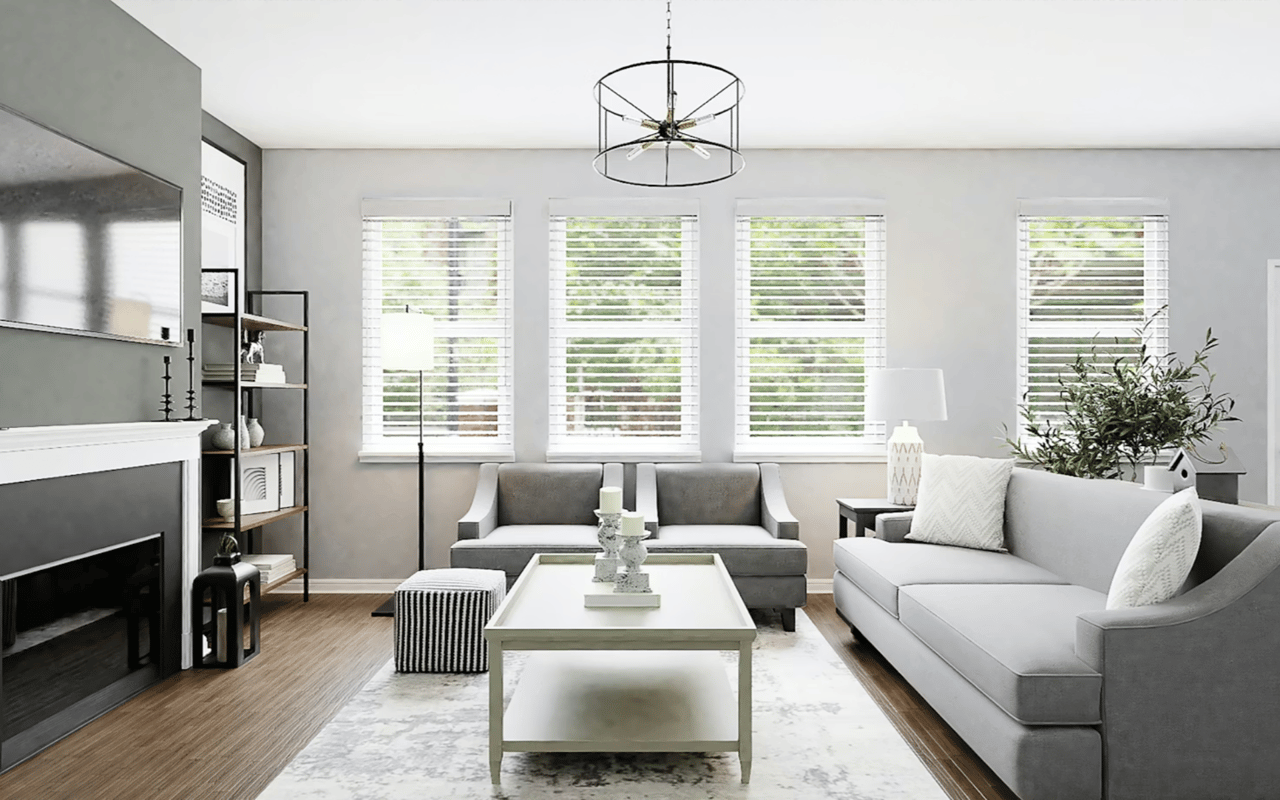
By Adam S. Kaufman
Moving into a new home is one of the most exciting transitions you can make, and furnishing it is where a house starts to feel like yours. But it's also one of the areas where buyers, whether they're first-timers or seasoned homeowners, tend to make the most costly mistakes. Buying furniture that doesn't fit the space, clashes with the architecture, or simply doesn't work for how you actually live can leave you starting over sooner than you'd like.
In the Cleveland area, where homes range from mid-century colonials to newer construction to stately Tudor and craftsman-style homes, the style and scale of your furniture choices matter more than many buyers realize. A sectional that works in a wide-open loft floor plan can overwhelm a traditional living room with defined doorways and lower ceilings. A dining table that seats eight might make a formal dining room feel complete but leave a breakfast nook unusable.
Getting your furniture right is about more than aesthetics. It's about understanding your space, your lifestyle, and how the two intersect. Here's how to approach the process thoughtfully so that the pieces you choose serve you well for years to come.
Key Takeaways
- Measuring your rooms carefully before purchasing any furniture is the single most important step you can take to avoid costly mistakes.
- The architectural style of your Cleveland home should inform your furniture choices, since pieces that complement the home's character tend to feel more cohesive and intentional.
- Investing in quality foundational pieces and being more flexible on accent items gives you a more durable and adaptable space over time.
- Traffic flow and functional zones matter as much as style when planning a furniture layout.
- Buying everything at once is rarely the right approach; living in a space before filling it completely often leads to better decisions.
Start with the Room's Architecture and Scale
Before you begin browsing furniture, spend some time with your rooms. Note the ceiling height, the placement of windows and doors, the width of the entryways, and any architectural details that define the character of the space. These elements are your framework, and the furniture you bring in should work with them rather than against them.
Ceiling height is one of the most overlooked factors in furniture selection. Rooms with lower ceilings, which are common in many mid-century Cleveland homes, benefit from furniture with lower profiles. Tall bookcases, high-backed sofas, and oversized armoires can make a room with eight-foot ceilings feel compressed. In contrast, a room with soaring ceilings, as you might find in some newer construction or renovated historic homes, can handle taller, more dramatic pieces without feeling crowded.
Doorway and hallway widths are equally important to consider before you purchase, since they determine what can physically be moved into the space. A sofa or bed frame that looks perfect online may not fit through a narrow stairwell or around a tight corner. Measuring your entry points before you fall in love with a piece saves a significant amount of frustration.
Ceiling height is one of the most overlooked factors in furniture selection. Rooms with lower ceilings, which are common in many mid-century Cleveland homes, benefit from furniture with lower profiles. Tall bookcases, high-backed sofas, and oversized armoires can make a room with eight-foot ceilings feel compressed. In contrast, a room with soaring ceilings, as you might find in some newer construction or renovated historic homes, can handle taller, more dramatic pieces without feeling crowded.
Doorway and hallway widths are equally important to consider before you purchase, since they determine what can physically be moved into the space. A sofa or bed frame that looks perfect online may not fit through a narrow stairwell or around a tight corner. Measuring your entry points before you fall in love with a piece saves a significant amount of frustration.
Architectural Factors to Evaluate Before You Shop
- Ceiling height throughout the main living areas, since it directly affects the appropriate scale of furniture and lighting.
- Doorway widths and stairwell dimensions, which determine what can realistically be delivered and installed.
- The placement and size of windows, since furniture positioned in front of natural light sources can diminish both the light and the view.
- Any built-in elements, such as fireplaces, alcoves, or built-in shelving, that anchor the room and influence furniture arrangement.
- The overall architectural style of the home, whether traditional, Craftsman, mid-century, or contemporary, which helps narrow the aesthetic direction for your selections.
Measure Twice, Buy Once
It sounds obvious, but accurate measurements are the foundation of every successful furnishing project. You need to know not just the dimensions of the room but the exact placement of electrical outlets, vents, and radiators, all of which affect where furniture can realistically go. In older Cleveland homes especially, radiators and baseboard heating units are often along exterior walls where you might naturally want to place a sofa or bed.
Create a simple floor plan before you begin shopping, even a hand-drawn one. Mark the dimensions of the room, the location of windows and doors, and any fixed elements. Then, map out where you envision each major piece going and confirm that the dimensions work before purchasing. Many furniture retailers and interior design apps offer digital room planners that allow you to drop in scaled furniture pieces and visualize the layout before committing.
Pay particular attention to traffic flow. There should be enough clearance between furniture pieces to move through the room comfortably, typically at least 30 to 36 inches for main pathways and 18 inches for secondary ones. A room that looks beautiful in a photo can feel cramped and impractical in daily life if the flow hasn't been carefully planned out.
Create a simple floor plan before you begin shopping, even a hand-drawn one. Mark the dimensions of the room, the location of windows and doors, and any fixed elements. Then, map out where you envision each major piece going and confirm that the dimensions work before purchasing. Many furniture retailers and interior design apps offer digital room planners that allow you to drop in scaled furniture pieces and visualize the layout before committing.
Pay particular attention to traffic flow. There should be enough clearance between furniture pieces to move through the room comfortably, typically at least 30 to 36 inches for main pathways and 18 inches for secondary ones. A room that looks beautiful in a photo can feel cramped and impractical in daily life if the flow hasn't been carefully planned out.
Key Measurements to Take Before You Shop
- The full length and width of each room where you're furnishing, including any alcoves or bump-outs.
- The height of windowsills from the floor, since this affects what can be placed beneath them.
- The distance from the floor to the bottom of any window casings, which matters for sofa placement along windowed walls.
- The width and height of every doorway and hallway that the furniture will need to pass through during delivery.
- The location of outlets, vents, and radiators along each wall, since these limit placement options.
Match Furniture to How You Actually Live
One of the most common furnishing mistakes is buying for the life you imagine rather than the life you actually lead. A formal living room filled with delicate, light-colored upholstery might look stunning in a design magazine, but if you have pets or host guests often, it's going to create more stress than enjoyment. Your furniture should serve your daily reality.
Think through how each room is going to be used on a typical day and on a busy weekend. The main living area is where most households spend the majority of their time, so comfort and durability matter as much as style there. If you work from home, a functional home office setup is worth prioritizing early. If you cook and entertain regularly, the kitchen and dining areas deserve careful thought around seating capacity and traffic flow.
Cleveland’s winters also play a role in how you use your home. Covered entryways, mudrooms, and secondary living spaces often see heavy seasonal use, and furnishing them practically with durable, easy-to-clean materials makes daily life considerably easier from November through March.
Think through how each room is going to be used on a typical day and on a busy weekend. The main living area is where most households spend the majority of their time, so comfort and durability matter as much as style there. If you work from home, a functional home office setup is worth prioritizing early. If you cook and entertain regularly, the kitchen and dining areas deserve careful thought around seating capacity and traffic flow.
Cleveland’s winters also play a role in how you use your home. Covered entryways, mudrooms, and secondary living spaces often see heavy seasonal use, and furnishing them practically with durable, easy-to-clean materials makes daily life considerably easier from November through March.
Questions to Ask Yourself Before Purchasing Each Piece
- How often this room will be used, and by whom, since high-traffic spaces warrant more durable materials.
- Whether the piece needs to serve more than one function, such as a storage ottoman or a dining bench that tucks away, to make the most of the available space.
- Whether this is a foundational investment piece or an accent item.
- Whether this furniture would work if your needs or the room's purpose changes in a few years, since flexibility adds long-term value.
FAQs
How Do I Know If a Sofa Is the Right Size for My Living Room?
The standard guidance is to leave at least 18 inches between the sofa and the coffee table, at least 30 to 36 inches of clearance for main walkways, and enough space on either side to move around comfortably. As a rough starting point, a sofa between 84 and 90 inches tends to work well in a standard living room, while sectionals are best suited to larger, more open layouts. Always measure your specific room and map out the placement before purchasing.
How Do I Choose Furniture That Works with an Older Cleveland Home?
Older homes have strong architectural character, including original woodwork, plaster walls, and traditional proportions. Furniture that acknowledges that character, whether through traditional silhouettes, warm wood tones, or classic upholstery fabrics, tends to feel more at home than pieces that work against it. That said, thoughtfully mixing contemporary and traditional elements can work beautifully when done with intention.
What Are the Most Important Rooms to Furnish Well First?
The bedroom and the main living area are the two spaces that most directly affect your daily quality of life, so they're worth prioritizing. A well-furnished bedroom supports rest, and a functional, comfortable living room is where most of your time at home will be spent. The dining area is a close third, particularly if you entertain or eat together regularly.
Build a Home That Works for Your Life
Furnishing a home well isn't about filling every room as quickly as possible. It's about making deliberate choices that serve how you actually live, respect the character of the space, and hold up over time. In Cleveland, where the housing stock is rich with architectural history, getting the furnishing process right pays dividends every day.
If you're buying a home in the Cleveland area and want guidance on finding a space that truly fits your lifestyle from the start, I'm here to help. Connect with me, Adam S. Kaufman, and let's find the right home for the life you're building.
If you're buying a home in the Cleveland area and want guidance on finding a space that truly fits your lifestyle from the start, I'm here to help. Connect with me, Adam S. Kaufman, and let's find the right home for the life you're building.