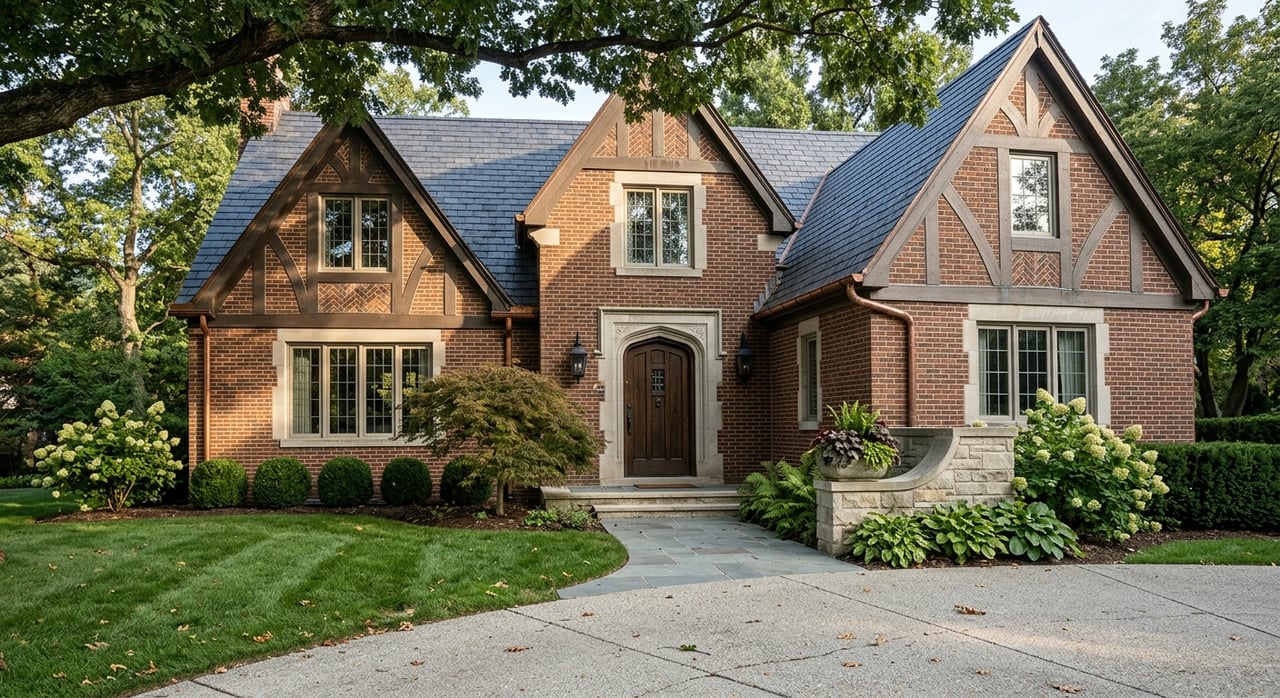
Trying to decide between a condo and a historic home in Cleveland? It is a smart question, because these two property types can offer very different daily routines, costs, and responsibilities. If you are weighing convenience against character, or predictability against control, this guide will help you understand the tradeoffs so you can choose with confidence. Let’s dive in.
Cleveland offers both lifestyle paths
Cleveland gives you real options if you want either lower-maintenance living or the charm of an older home. The city has a large preservation footprint, with designated historic districts that include places like Ohio City, Tremont, Little Italy, Shaker Square, Playhouse Square, and the Warehouse District. That matters because your choice is not just about style. It is also about how the property is governed, maintained, and updated.
Cleveland’s housing stock is also notably older than many markets. Based on census data reported by Axios, nearly one-quarter of Cleveland homes were built before 1940. That helps explain why buyers here often need to think carefully about renovation needs, long-term upkeep, and how much hands-on responsibility they want.
The market itself also supports both kinds of buyers. As of February 2026, Redfin described Cleveland as a somewhat competitive market, with homes selling in about 50 days and a median sale price of $125,000. In that kind of environment, choosing the right property type for your budget and lifestyle can matter just as much as choosing the right street.
Condo ownership in Cleveland
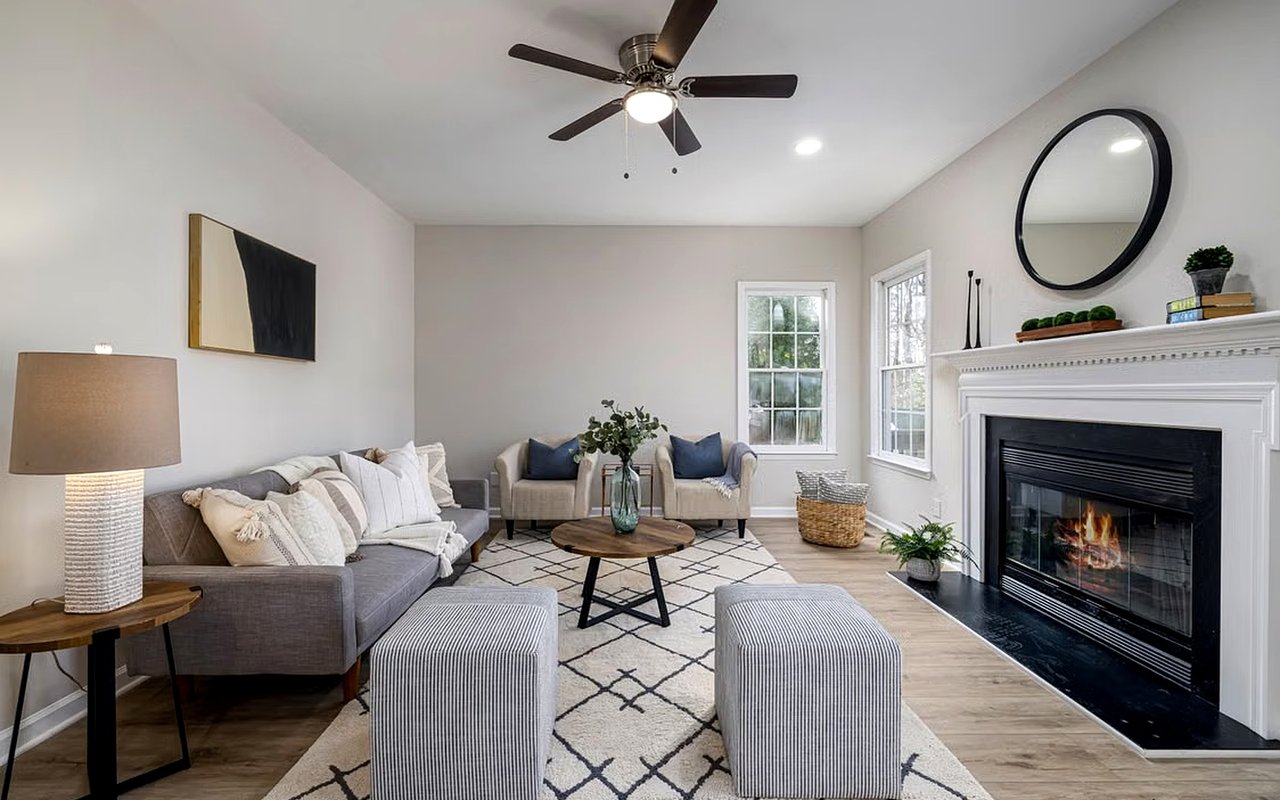
A condo can be a strong fit if you want simpler day-to-day maintenance and shared responsibility for the building. Under Ohio law, when you buy a condominium unit, you own your unit as real property and also hold an undivided interest in the common elements. In plain terms, you are buying both your private space and a shared stake in the building’s systems and common areas.
That shared structure shapes how condo living works. Ohio law requires condo associations to adopt an annual budget and include reserves adequate to repair and replace major capital items unless that reserve requirement is waived. Associations can also collect common expenses and certain fees, which is why condo ownership often comes with regular monthly dues and, in some cases, special assessments.
For many buyers, that tradeoff feels worthwhile. You may have fewer exterior maintenance tasks on your plate, and the building may handle shared systems, common areas, and certain services. But lower day-to-day maintenance does not mean no financial surprises, so reviewing the association’s finances is essential.
What to review before buying a condo
Before you commit to a condo, take time to study the documents. Ohio requires a condominium disclosure statement that can include projected common-expense costs, insurance information, reserve-fund details, and management terms. These documents are not just formalities. They tell you how the property is run and what costs you may be taking on.
Focus on a few key items:
- Current annual budget
- Reserve funding levels
- Recent or pending special assessments
- Rules on maintenance and repairs
- Amendment rules in the governing documents
- Scope of the association’s master insurance coverage
Insurance deserves special attention. Condo ownership typically involves the association’s master policy plus your own HO-6 policy. The owner policy may cover personal property, personal liability, additional living expenses, and loss assessment coverage, while the master policy can vary in what it covers inside the unit.
Historic homes offer control and character
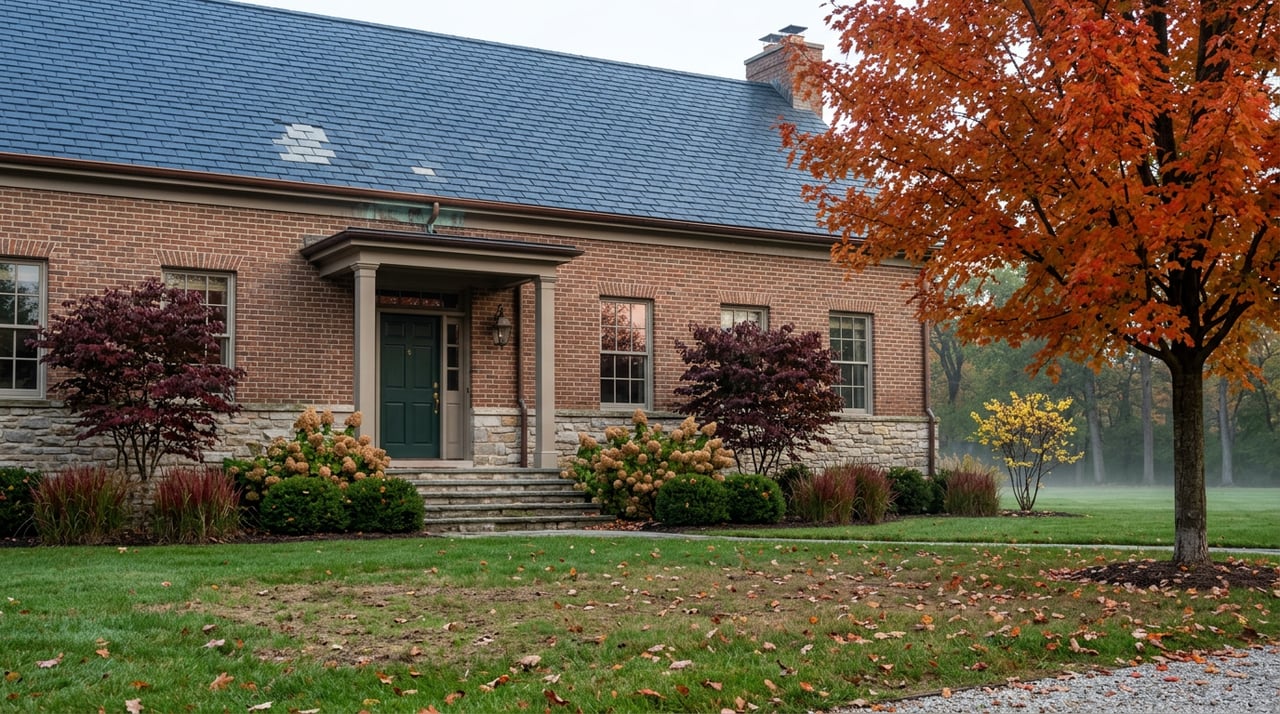
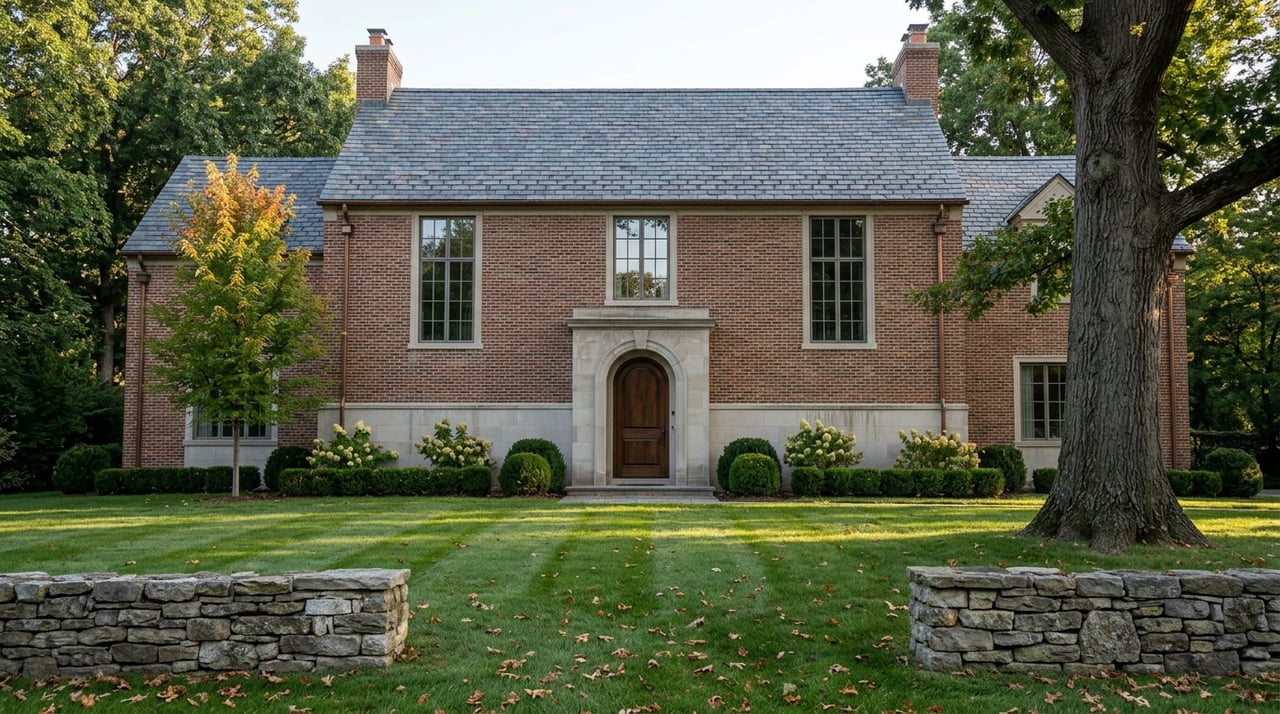
If you love original architecture, larger lots, or the feel of a home with a story, a historic or older single-family home may be the better fit. In many cases, you will have more direct control over the property itself than you would in a condo setting. That can be appealing if you want flexibility in how you live, maintain, and improve your home.
In Cleveland, though, older homes often come with more responsibility. Because so much of the city’s housing stock predates 1940, maintenance and renovation questions are common. The true appeal of a historic home is often tied to that same age and detail, but so are many of the costs.
If the property sits in a designated landmark or historic district, exterior changes may require review. The city’s Landmarks Commission reviews alterations through Certificates of Appropriateness, and permit review can also involve zoning, planning, landmarks, and right-of-way review. If you are considering updates to windows, porches, masonry, roofing, or other visible exterior elements, this extra review process can affect your timeline and planning.
What to inspect in an older home
With a historic or older home, due diligence usually needs to go further than it would for many condos. Ohio’s residential property disclosure rules specifically call out items like the roof, foundation, walls, floors, and hazardous materials such as lead-based paint, asbestos, urea-formaldehyde foam insulation, and radon gas. That does not mean every older home has these issues. It does mean your inspections should be thorough and your repair budget should have room for the unexpected.
It is also worth remembering that older homes often need specialized repair work. Cleveland planning staff notes that Cleveland Restoration Society provides free advice on repair and maintenance of older and historic residences, including roof preservation or replacement, window restoration, masonry repair, and porch repair. That is a useful reminder that preserving an older home often takes more than standard cosmetic updates.
Cost differences are about timing
When buyers compare condos and historic homes, the biggest financial difference is often not the total cost. It is when the costs show up. A condo usually gives you more predictable monthly carrying costs because dues help fund common-area maintenance, building insurance, reserves, and shared services.
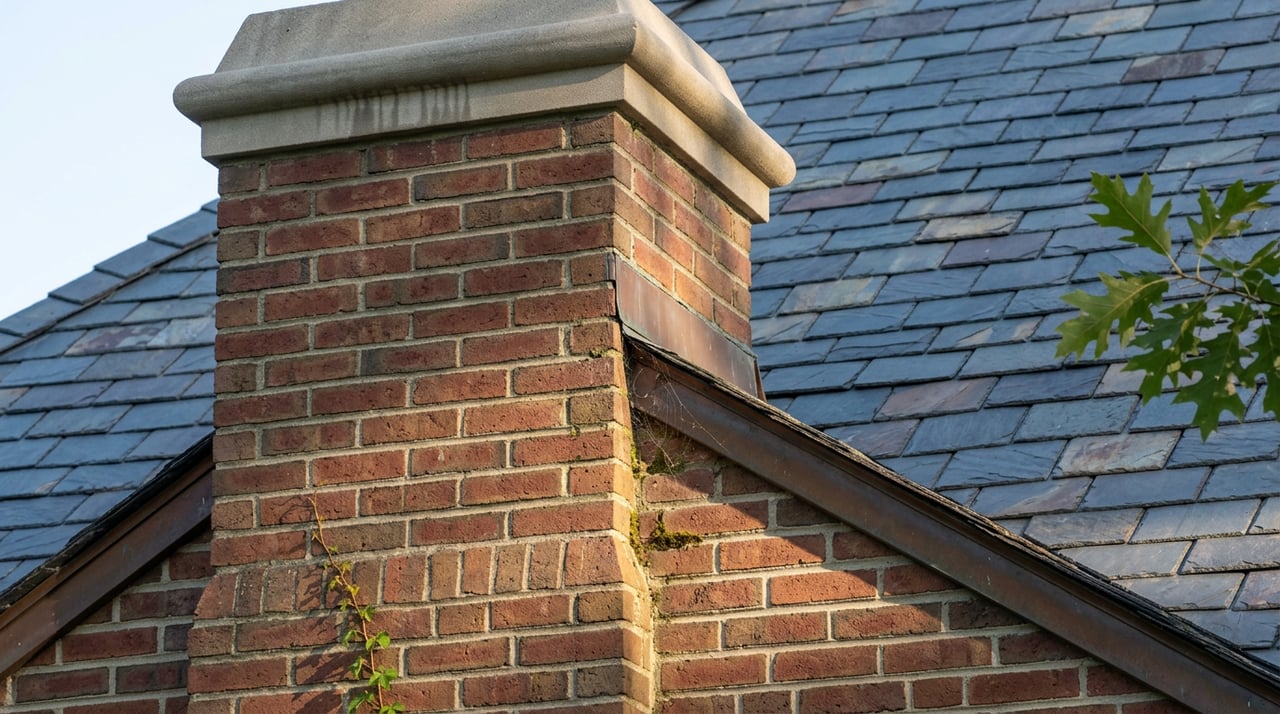
A historic home often looks different on paper. You may have fewer recurring association costs, but repairs and renovations can come in larger, less predictable waves. A roof issue, masonry repair, foundation work, or older system replacement can change your budget quickly.
That is why the smartest comparison is not condo dues versus no dues. It is predictable shared costs versus irregular owner-driven costs. In both cases, the true cost of ownership depends on the age, condition, and maintenance history of the specific property.
Taxes can change the comparison
Property taxes are another area where buyers should slow down and compare carefully. Cuyahoga County’s Treasurer publishes tax rates by community and explains that effective tax rates reflect Ohio’s HB 920 reduction factor. The county also offers tax calculation and payment tools.
If you are comparing a condo in one part of Cleveland with a historic home in another, tax differences can have a real effect on your monthly budget. Sometimes the tax picture shifts the affordability equation more than buyers expect. Before you write an offer, it is worth confirming the full tax impact for each property you are considering.
Resale depends on buyer fit
Both property types can make sense in Cleveland, but they tend to appeal to different future buyers. Historic districts and older housing create a durable audience for homes with architectural detail and character. Condos often appeal to buyers who want urban convenience and lower-maintenance living.
That said, resale is never determined by property type alone. Location, parking, updates, association health, and the monthly cost relative to nearby options can all influence demand. The better question is whether the home you are buying aligns with the likely buyer pool for that area.
How to decide which is right for you
If you are torn between the two, start with your lifestyle, not the photos. A condo may be the stronger choice if you want simpler upkeep, shared building responsibility, and a more predictable ownership structure. A historic home may be the better fit if you value space, architectural detail, and direct control over the property.
Ask yourself a few practical questions:
- Do you want lower day-to-day maintenance?
- Are you comfortable with monthly dues and shared decision-making?
- Do you enjoy older-home projects, or would they feel stressful?
- Would exterior review rules frustrate you or feel manageable?
- Do you want cost predictability, or are you prepared for occasional larger repairs?
- How important are character, privacy, and outdoor space?
Your answer often becomes clearer when you picture your day-to-day life, not just the purchase itself. The right home is the one that fits how you want to live in Cleveland now and how you want to own property over time.
If you want help comparing specific neighborhoods, buildings, or older homes in the Cleveland area, Adam Kaufman can help you evaluate the details, costs, and tradeoffs with clear local guidance.
FAQs
What does condo ownership mean in Cleveland, Ohio?
- In Ohio, condo ownership means you own your individual unit as real property and also hold an undivided interest in the building’s common elements, which are shared with other unit owners.
What should you review before buying a Cleveland condo?
- Review the condo disclosure statement, annual budget, reserve funding, master insurance coverage, recent or pending special assessments, and the rules on maintenance, repairs, and amendments.
What makes a historic home in Cleveland different from a condo?
- A historic or older single-family home usually gives you more control over the property, but it also often comes with broader inspection needs, more variable repair costs, and possible landmark review for exterior changes.
Do historic homes in Cleveland require special approval for renovations?
- If the home is in a designated landmark or historic district, certain exterior changes may require review by the city’s Landmarks Commission through a Certificate of Appropriateness.
Are condos or historic homes more affordable in Cleveland?
- The answer depends on the specific property, because condos often have more predictable monthly dues while historic homes may have fewer recurring fees but more irregular repair and renovation costs.
Why should Cleveland buyers compare property taxes carefully?
- Property taxes can vary by community in Cuyahoga County, so comparing taxes on a condo and a historic home can change your true monthly cost more than expected.