By Adam S. Kaufman
When buying a home, emotions drive the choice far more than spreadsheets do. A buyer might spend weeks comparing square footage and price per foot, but when they walk into the right house, something clicks before they've even reached the kitchen. Understanding what leads to that response — and how it translates into an offer — is one of the most valuable things you can know as you navigate Cleveland's real estate market.
Regardless of budget or background, the underlying psychology of the decision tends to follow recognizable patterns. When you know what those patterns are, you're better equipped to interpret your own reactions and make a confident move.
Key Takeaways
- Emotional connection to a home is typically formed within the first few minutes of a showing, and it carries significant weight in the final decision.
- The concept of "loss aversion" plays a major role in how buyers respond to competitive situations, often motivating faster action than initial excitement alone.
- First impressions, including photos and curb appeal, shape buyer expectations before they ever step inside.
- Buyers frequently anchor their sense of value to the first price they encounter, which influences how they interpret subsequent listings.
- Understanding your own cognitive biases can help you make decisions that align with your priorities rather than impulse.
Why Emotion Almost Always Leads
Behavioral economists have long established that humans make decisions emotionally and then justify them rationally. Home buying is a textbook example. When a buyer walks through a property and feels a sense of belonging, warmth, or possibility, those feelings generate a physical response that reason alone rarely overrides. The rational checklist comes afterward, serving as confirmation rather than cause.
This is not a flaw in how buyers think; it's a feature. Homes are important environments, and your gut reaction to one is often encoding real information about how you'd live there. The light in the afternoon, the ceiling height, the way the kitchen flows into a living space — these details register before you consciously process them.
What this means in practice is that buyers who feel a strong emotional pull toward a property are more likely to make competitive offers, overlook minor cosmetic issues, and move quickly. When you notice that feeling, it's worth examining what's behind it, because it's telling you something.
Signs That You're Having a Real Emotional Response
- You start mentally placing your furniture before the showing is over.
- You find yourself hoping no one else saw it first.
- You're already thinking about the commute, the routine, the neighbors.
- The price feels secondary to figuring out how to make it work.
- You feel a subtle resistance to leaving.
The Role of Loss Aversion in a Competitive Market
One of the most powerful psychological forces in real estate is loss aversion, or the tendency to feel the pain of losing something more acutely than the joy of gaining an equivalent thing. In a market like Cleveland, where well-priced homes in sought-after areas can attract multiple offers quickly, this dynamic plays out in real time.
Buyers who were comfortable taking their time will often accelerate dramatically once they lose a home they liked to a competing offer. The experience of losing reframes how they perceive the next opportunity. That next home feels more urgent, more precious, and worth protecting. This is not irrational; it's human.
Being aware of loss aversion helps you respond strategically rather than reactively. If a home genuinely meets your priorities, acting decisively is sound reasoning, not impulsiveness. The risk is when loss aversion causes buyers to overbid on properties they're not fully committed to, simply because the competitive environment triggers a fear of missing out.
What Loss Aversion Looks Like in Practice
- Feeling more motivated to buy after losing your first choice.
- Perceiving a price as more reasonable after seeing a competing offer.
- Moving faster on a second home than you would have before the experience.
- Raising your offer ceiling in a bidding situation beyond what you'd planned.
- Reassessing a home you'd previously passed on after hearing it went under contract.
How First Impressions Shape Perceived Value
Buyers form impressions quickly. Often, they make their initial assessment of a space within a few seconds of entering, and those impressions are remarkably sticky. This is why the condition and presentation of a home at the moment of showing matters so much, and it’s why buyers who view properties in poor condition early in their search often underestimate their budget's actual reach.
In Cleveland, where the housing inventory includes everything from century-old Craftsman bungalows to new construction, presentation varies widely. A well-staged, well-lit home activates a buyer's imagination. A cluttered or dated one forces them to do extra cognitive work to visualize the potential, and many won't bother.
The reverse is also true. Buyers who fall in love with a beautifully staged listing sometimes encounter disappointment when they see a comparable home that hasn't been prepared as thoughtfully. Managing expectations around staging and presentation is part of becoming a more objective buyer, and it's something worth discussing as your search progresses.
Elements That Shape First Impressions Before You Walk In
- Listing photos and how the home is represented online.
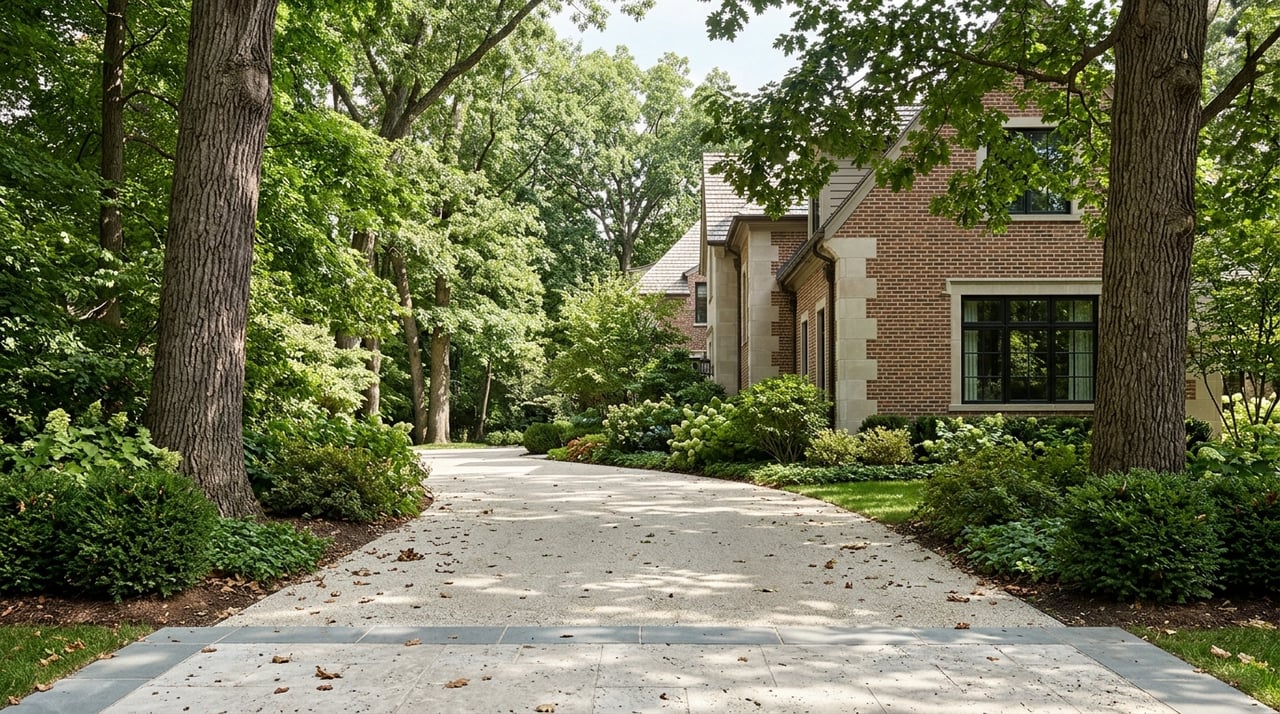
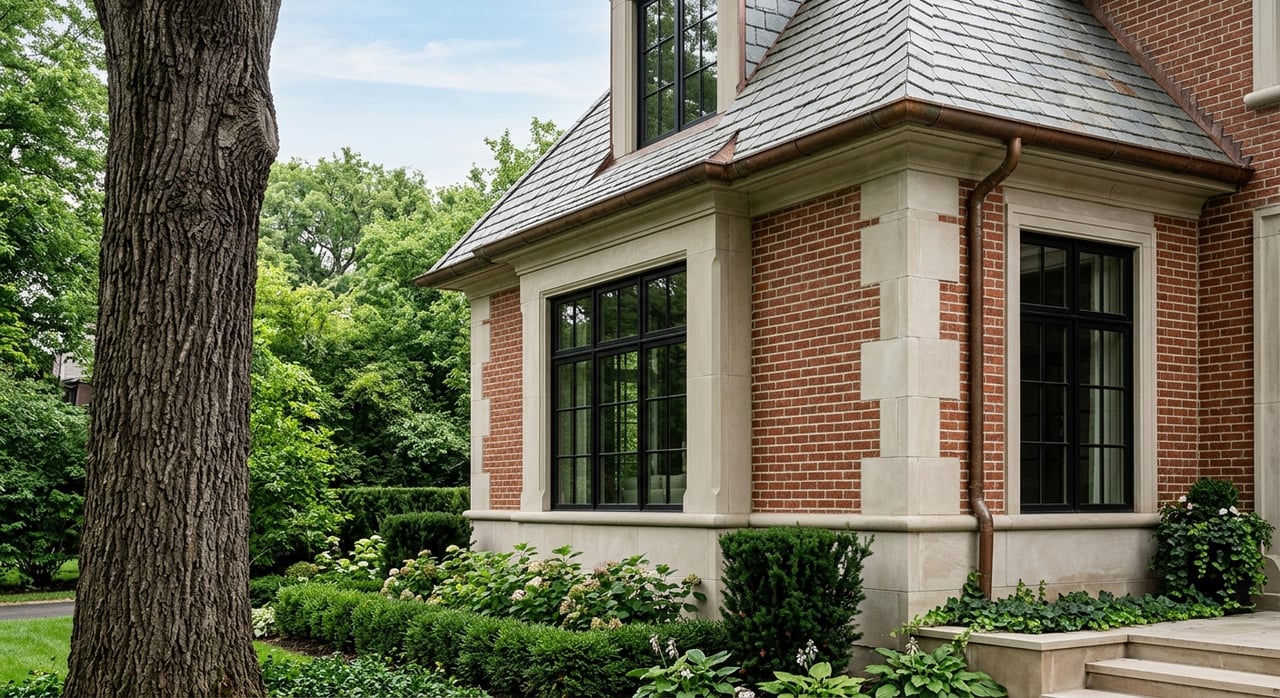
- Curb appeal, including landscaping and the condition of the exterior.
- The driveway and walkway approaching the front door.
- The front entry or foyer as the first interior space encountered.
- Natural light visible from initial entry points.
FAQs
Why Do Buyers Fall in Love with a Home So Quickly?
The brain processes environmental cues almost instantly, and spaces carry emotional associations that connect to memory, aspiration, and comfort. When a home's layout, light, or atmosphere aligns with how a buyer imagines their life there, the connection forms before conscious reasoning catches up. This is normal and reflects compatibility, though it's worth balancing emotional response with a clear review of the practical details.
How Does Competition Affect Buyer Decision-Making?
When buyers perceive that others are interested in the same home, it activates a sense of scarcity and the desire to secure something before it's gone. This can motivate faster decisions and stronger offers. In Cleveland's more active market segments, understanding how competitive dynamics work helps buyers respond from a position of clarity rather than panic.
How Can I Avoid Overpaying Because of Psychological Bias?
The most effective approach is to ground every decision in comparable sales data before making an offer. Understanding what similar homes in the same Cleveland area have sold for recently gives you a reference point that's independent of how a home is staged, how the price is presented, or how competitive the situation feels in the moment.
Understanding Your Decision-Making Makes All the Difference
The buyers who navigate Cleveland's real estate market most successfully are not the ones who suppress their emotional responses; they're the ones who understand those responses well enough to act on them wisely. Knowing why a home feels right, recognizing when competition is influencing your urgency, and grounding your perception of value in real data: these are the tools that turn a stressful process into a confident one.
If you're ready to start your search or want to better understand what's driving the Cleveland market right now, reach out to me, Adam S. Kaufman. I'm here to guide you through every step, from your first showing to your closing day.