By Adam S. Kaufman
Selling your home for the first time is one of the most crucial and impactful financial moves you'll ever make, and it comes with a learning curve that no one really warns you about. Unlike buying a home, where your role is largely reactive, selling puts you in the driver's seat. That means every decision, from pricing to timing to negotiation, reflects directly on your outcome. The good news is that once you understand how the process actually unfolds, it becomes far less overwhelming and far more manageable.
Cleveland's real estate market has its own rhythm. Seasonal trends, buyer demand, and neighborhood-by-neighborhood dynamics all play a role in how quickly a home sells and what it ultimately commands. Knowing what to expect at each stage of the selling process helps you move through it with confidence rather than anxiety.
This guide is designed to walk you through the entire journey, from your first instinct that it might be time to sell all the way to handing over the keys at closing.
Key Takeaways
- Pricing your home correctly from the start has a direct impact on how quickly it sells and what you net at closing.
- Preparing your home before it hits the market, including strategic improvements and professional photography, significantly influences buyer perception.
- Understanding each phase of the transaction, from offer review to inspection to closing, helps you respond quickly and negotiate effectively.
- Disclosures and legal obligations are part of every sale; knowing what's required in Ohio protects you throughout the process.
- Timing your sale around Cleveland's market conditions and your personal timeline can make a meaningful difference in your results.
Getting Your Home Ready to Sell
Before a single buyer walks through your front door, there's important work to do. The preparation phase is where sellers can gain or lose thousands of dollars in perceived value, and it's the part of the process most first-time sellers underestimate. Buyers in Cleveland's real estate market are actively comparing properties online before they ever schedule a showing, so your home's presentation needs to be compelling from the very first image.
Start with a thorough walkthrough of your home, and try to see it through the eyes of someone who has never been inside. Look for deferred maintenance, worn finishes, and anything that signals that the home hasn't been cared for. Small repairs carry outsized weight in buyer psychology. A door that doesn't latch properly or a bathroom caulk line that needs replacing can create doubt about bigger-ticket items, even when everything structural is in perfect shape.
Decluttering and depersonalizing are equally important. Buyers need to be able to visualize themselves in the space, and that's harder to do when every shelf is full and every wall is covered in personal photos. You don't need to stage the home like a model unit, but you do need to create space, light, and a sense of calm that invites buyers to linger rather than rush through.
Pre-Listing Priorities
- Deep-clean every room, including baseboards, windows, light fixtures, and appliances.
- Address visible wear, such as scuffed walls, outdated hardware, or chipped tile, that can be fixed affordably.
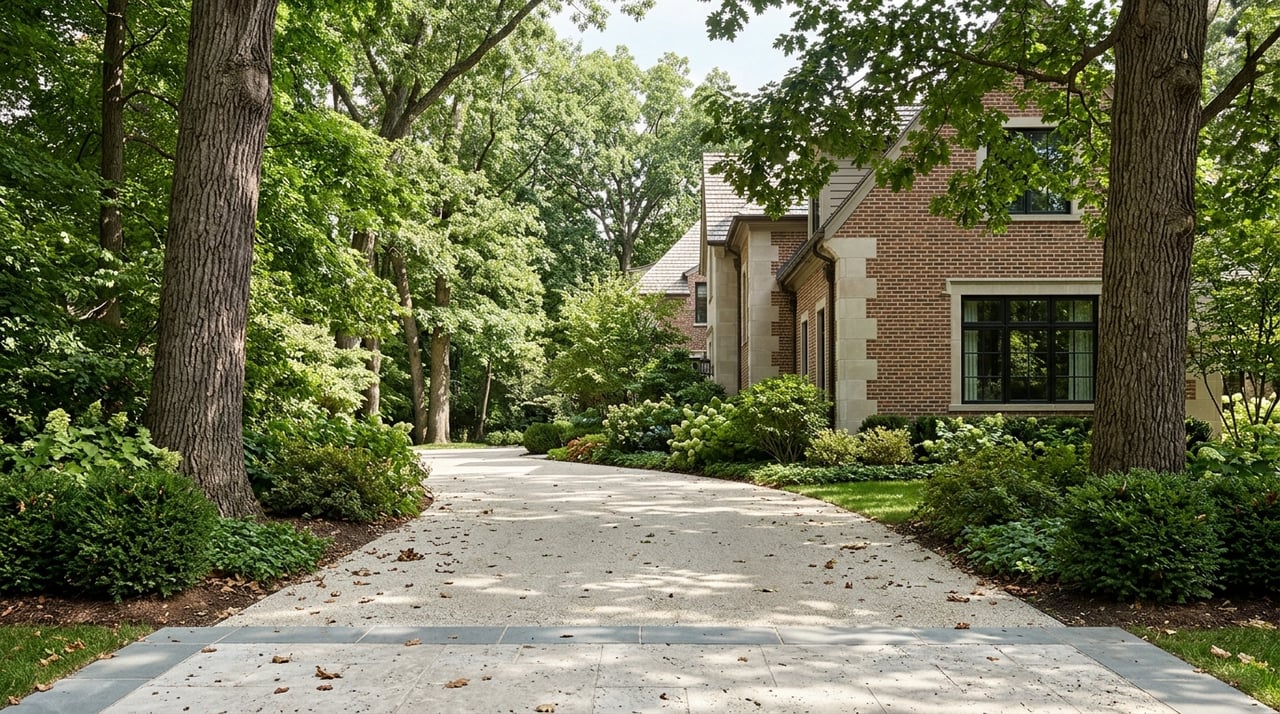
- Boost curb appeal by freshening up the landscaping, cleaning the driveway, and making sure the front entrance looks welcoming.
- Hire a professional photographer; high-quality listing photos are one of the highest-return investments a seller can make.
- Consider a pre-listing inspection if you want to address any issues before buyers have the chance to use them as leverage.
Understanding How Your Home Gets Priced
Pricing is the single most consequential decision in the selling process, and it's also the one most subject to emotion. You have a number in mind. That number is connected to memories, to what you paid, and to what you've put into the home over the years. But buyers don't pay for your history; they pay for current market conditions.
A Comparative Market Analysis, or CMA, is the primary tool for establishing a list price. It looks at recently sold homes in your area that share similar characteristics, including square footage, condition, lot size, and location. In a market like Greater Cleveland, where home values can shift from one zip code to the next, the CMA needs to be hyper-local to be useful. A home in Chagrin Falls prices differently than a comparable home in Garfield Heights, even if the two properties look similar on paper.
Overpricing is one of the most common first-time seller mistakes, and it tends to backfire. Homes that sit on the market too long begin to accumulate what agents call "days on market stigma," where buyers start to wonder what's wrong with it. Pricing correctly from the start generates more activity, sometimes resulting in multiple offers that push the final sale price above list. I'll walk you through the data so you understand exactly what your pricing strategy is based on.
What Goes Into a Strong Pricing Strategy?
- Recent comparable sales within the past three to six months in your immediate area.
- Active competition currently on the market that buyers are also considering.
- Pending sales that indicate where the market is heading right now.
- Condition adjustments, which account for meaningful differences between your home and comparable properties.
- Absorption rate, or how quickly homes at your price point are selling in your market.
Navigating Offers and Negotiations
Once your home is listed, the offer phase begins, and it can move fast, especially in a competitive price range. Understanding how to evaluate an offer goes beyond looking at the number at the top of the page. A higher offer with weak financing or excessive contingencies may actually be less attractive than a slightly lower offer that's clean and likely to close.
Purchase offers include the proposed price, the earnest money deposit, financing details, and any contingencies the buyer wants to include. Common contingencies include inspection, appraisal, and financing. Each one gives the buyer a potential exit if something doesn't go the way they expect; your job is to weigh which contingencies are reasonable and which create unnecessary risk to your timeline.
Counteroffers are a normal part of the process. You don't have to accept the first offer you receive, and you don't have to decline an offer just because it's below asking. A well-crafted counteroffer keeps the deal alive while improving your terms. I'll help you think through what to counter on and what to hold firm on.
What to Look for in an Offer
- Purchase price relative to your list price and current market data.
- Financing type, since cash offers and conventionally financed offers tend to move more smoothly in certain situations.
- Earnest money amount, which signals how serious the buyer is about following through.
- Requested contingencies and their timelines, including how long the buyer has to complete an inspection.
- Closing date and whether it aligns with your move-out plans.
FAQs
How Long Does It Take to Sell a Home in Cleveland?
The timeline varies based on price point, condition, and current market conditions. In active price ranges, well-prepared homes in Cleveland can go under contract within a few days of listing. Homes that need work or are priced above market value may sit longer.
Do I Have to Accept an Offer With a Home Sale Contingency?
No, you are not required to accept any offer. A home sale contingency means the buyer needs to sell their current home before they can close on yours, which introduces uncertainty. In a strong seller's market, you may have enough leverage to decline or counter without the contingency. In a slower market, it may be worth accepting with a kick-out clause, which allows you to continue marketing the home and gives the buyer a set window to remove the contingency if you receive another offer.
What Happens if the Appraisal Comes in Low?
If the buyer's lender orders an appraisal and it comes in below the agreed purchase price, the buyer typically cannot finance the full amount. At that point, you have options: reduce the price, negotiate a middle ground, or see if the buyer will cover the gap in cash.
Your Next Move Starts Here
Selling your home for the first time is a process that you can navigate confidently when you understand the terrain. From pricing and preparation to negotiations and closing, every step builds on the last, and the more prepared you are heading into each one, the stronger your position becomes. Cleveland's real estate market rewards sellers who show up ready, and that readiness starts well before the listing goes live.
If you're thinking about selling in the Greater Cleveland area and want to understand what your home is worth and what the process looks like, reach out to me, Adam S. Kaufman. I work with sellers across the Cleveland market to make sure every step of the transaction reflects your goals.