If you are deciding between a brand-new home and an older property in Moreland Hills, the choice is about more than finishes and floor plans. In this market, the lot, the setting, the approval process, and the long-term fit with the village can matter just as much as the house itself. When you understand how Moreland Hills is built, you can make a smarter decision about which path gives you the best value and the fewest surprises. Let’s dive in.
Why This Choice Matters In Moreland Hills
Moreland Hills is not a high-turnover market filled with easy building opportunities. It is a small, established residential village with 3,456 residents, 1,558 housing units, and a housing stock that is overwhelmingly owner occupied and made up of single-unit homes. The median value of owner-occupied homes is $621,900, and only 8.4% of residents moved in the prior year, which points to a relatively stable, low-churn market.
That local context shapes your options. The village describes itself as a semi-rural suburb, and most residences sit on roughly two-acre lots through much of the community. It is also a place where most easily developable parcels have already been built upon, so new construction is often a more selective opportunity than buyers first expect.
What New Construction Offers
New construction appeals to buyers who want a fresh start. You may value modern layouts, newer systems, updated materials, and the chance to personalize design choices before you move in. Certified efficient new homes are also designed with energy savings, comfort, durability, and indoor health in mind.
That can be a real advantage if you want fewer immediate repair projects. A newer home may reduce the chance that you will need to replace major systems soon after closing. For some buyers, that predictability is worth paying for.
Customization Is A Major Draw
With new construction, you can often shape the home around the way you live. You may be able to prioritize ceiling height, kitchen flow, first-floor living spaces, storage, home office needs, or garage design in a way that is harder to achieve in an older house.
In Moreland Hills, that flexibility can be especially appealing because many buyers in this market are looking for estate-style living on larger parcels. If you find the right site, building can let you create something tailored to the lot and your long-term plans.
New Construction Comes With Local Constraints
In Moreland Hills, building is not simply about finding land and hiring a builder. Village code creates meaningful guardrails around lot size, setbacks, and design. In the U-1 district, the minimum lot area is 87,000 square feet, the minimum lot width at the building setback line is 175 feet, the front setback is 70 feet, and side setbacks are 35 feet.
The village also has design expectations intended to preserve scenic beauty, open space, historic character, and its low-density residential tradition. Attached garage doors generally may not face the street unless the property is on Wiltshire Road, Ellendale Road, or Berkeley Avenue. That can affect everything from driveway layout to the basic massing of the house.
The Approval Process Takes Planning
One of the biggest surprises for buyers is how involved the approval path can be. The village says new homes, additions, alterations, detached garages, sheds, and similar projects must be submitted with drawings for architectural and Planning Commission review. Applications must be filed 21 days before the meeting deadline.
Subdivision lot splits and lot consolidations require Planning Commission review and then Village Council approval. Pools, fences, decks, patios, and retaining walls also require permits. If a property includes a designated watercourse, riparian setback rules may also apply.
What This Means In Practice
In many markets, new construction can mean choosing from a wide range of open lots or subdivision inventory. In Moreland Hills, it is more likely to be a site-specific opportunity, such as a teardown and rebuild or a project on an unusually large parcel. That does not make building impossible, but it does mean your due diligence needs to be especially careful.
If you are considering this route, it is wise to understand the site before you get too attached to a concept plan. Lot conformity, setbacks, garage orientation, and approval timing can all shape what is actually possible.
What Legacy Homes Offer
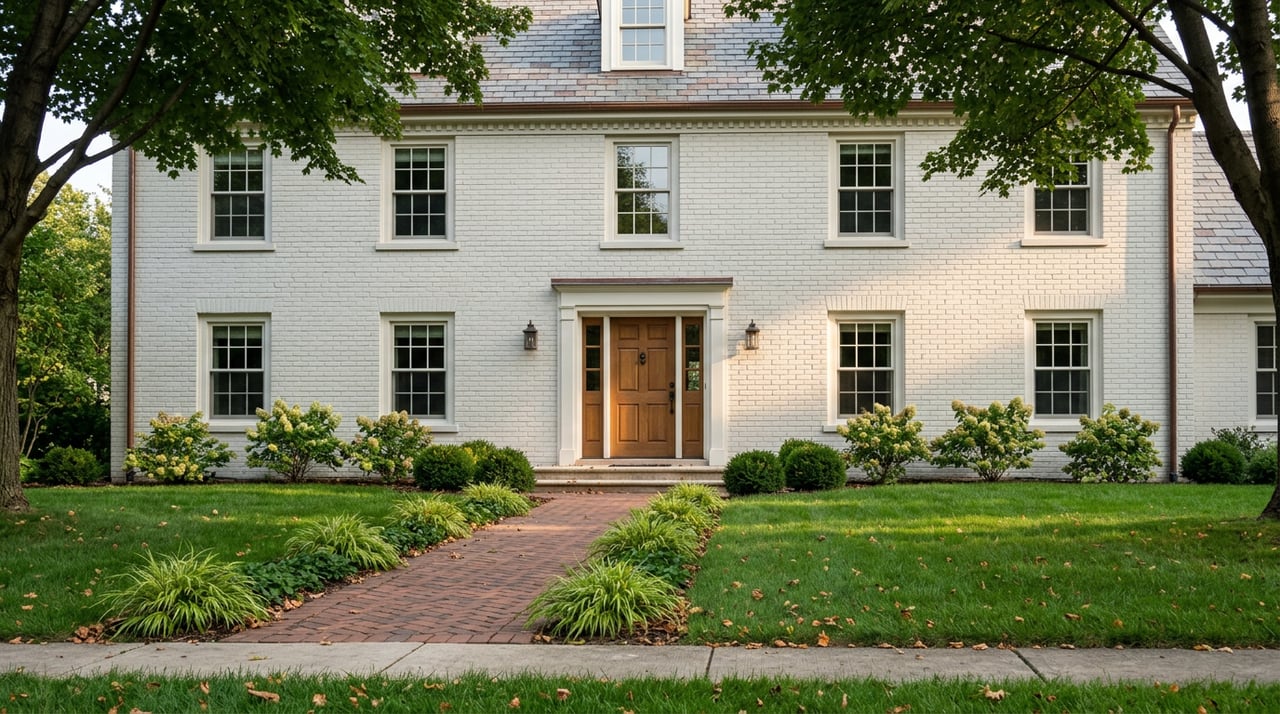
Legacy homes are often the more common option in Moreland Hills. The village notes that it has both old and new homes, along with pastoral charm, mature trees, and large residential lots. A historical profile reported a median year built of 1965, which fits the feel of a mature housing stock.
For many buyers, the biggest appeal is the setting. Older homes often come with established landscaping, larger-feeling sites, and architecture that already fits the scale and rhythm of the village. In a community known for low density and estate-style lots, that immediate sense of place can be hard to replicate.
Established Lots Can Be The Real Asset
When you buy a legacy home here, you are often buying more than the house. You are buying the trees, the setbacks, the way the home sits on the land, and the overall experience of an already-settled property. That can be a major advantage if you want a home that feels integrated into the village from day one.
This matters in a market where resale fit can influence long-term appeal. In Moreland Hills, alignment with the community’s semi-rural, large-lot pattern may matter as much as square footage or finish level.
Older Homes May Need Updating
The trade-off is that older homes are more likely to come with improvement needs. Depending on the property, you may need to budget for roofing, HVAC, windows, drainage, kitchens, baths, or energy-efficiency updates. Those projects are manageable, but they should be part of your decision from the start.
The good news is that upgrades to existing homes can improve air sealing, lower heating and cooling costs, and enhance comfort, durability, and the indoor environment. If you love the lot and location, a legacy home can still be the right long-term investment even if it needs work.
Permit History Matters
If you are buying a resale property in Moreland Hills, ask about permit history. Because the village requires permits for additions, detached garages, fences, decks, patios, pools, and retaining walls, you want to know whether prior work was properly documented and approved.
This is especially important if the home has been expanded over time or includes features that may affect setbacks or lot compliance. A beautiful renovation is only part of the story. You also want confidence that the work aligns with village requirements.
Cost Factors Buyers Should Compare
Price is only one part of the comparison. In Moreland Hills, ownership costs and resale considerations can vary by property and location within the village.
One practical factor is school district and taxing area. The village says Orange City Schools and Chagrin Falls Schools both serve Moreland Hills. The village also lists current real-property millage of 66.77 mills in the Moreland Hills/Orange area and 74.43 mills in the Moreland Hills/Chagrin Falls area, along with a 1% village income tax.
That does not automatically make one home better than another. It does mean you should look closely at the specific property’s district and tax area when comparing options, especially if you are deciding between two otherwise similar homes.
How To Decide Which Path Fits You
The right choice usually comes down to what you value most. If you want design control, newer systems, and the potential benefits of modern energy performance, new construction may be the better fit. If you want mature trees, a settled lot, and a home that already feels rooted in Moreland Hills, a legacy property may offer more of what you are after.
A few questions can help clarify your direction:
- Do you want a home that is move-in ready, or are you comfortable managing updates over time?
- Is your priority customization, or is it the lot and landscape?
- Are you prepared for a longer approval and planning timeline if you build?
- Does the parcel conform to village requirements, or will the project need additional approvals?
- Which school district and tax area is the property in?
- If you are buying resale, is there permit history for prior improvements?
A Smart Moreland Hills Strategy
In Moreland Hills, the question is rarely just new versus old. It is really about which property gives you the best combination of land, livability, compliance, and long-term value. A great newer home can be compelling, but so can a well-sited legacy property with strong bones and a setting that would be difficult to recreate today.
That is why local guidance matters here. In a village with large-lot zoning, design standards, modest turnover, and limited easy build opportunities, the best decision usually comes from understanding the property in context, not just reacting to finishes or age.
Whether you are weighing a teardown, a custom build, or a resale purchase with renovation potential, a careful property-by-property approach will serve you well. If you want experienced guidance on buying or selling in Moreland Hills, connect with Adam Kaufman for informed, local advice.
FAQs
What makes new construction different in Moreland Hills?
- New construction in Moreland Hills is shaped by large-lot zoning, setback rules, design review, and permit requirements, so it is often a more site-specific opportunity than in faster-growth markets.
What are the benefits of buying a legacy home in Moreland Hills?
- Legacy homes often offer mature trees, established landscaping, larger-feeling lots, and architecture that already fits the village’s long-established character.
What village rules should buyers check before building in Moreland Hills?
- Buyers should confirm lot size, lot width, setbacks, garage orientation rules, possible riparian setbacks, and the timing and scope of Planning Commission and permit approvals.
What should buyers review before purchasing an older home in Moreland Hills?
- Buyers should review the home’s condition, likely update needs, and permit history for additions, garages, decks, patios, pools, fences, retaining walls, and other prior improvements.
Why does school district location matter for a Moreland Hills home purchase?
- School district location matters because Moreland Hills is served by both Orange City Schools and Chagrin Falls Schools, and the village lists different real-property millage rates for those taxing areas.