If you own a large-acreage home in Hunting Valley, pricing it is rarely as simple as checking the latest neighborhood average and adding a premium for land. This is a small, highly specific estate market where setting, site quality, and presentation can matter as much as square footage. If you want to protect value and attract the right buyer, it helps to understand how Hunting Valley works before you go to market. Let’s dive in.
Why Hunting Valley pricing is different
Hunting Valley is not a typical suburban market. The village describes itself as conservation-oriented and known for its picturesque landscape and land conservation, and its historical deeds and zoning ordinances include a minimum five-acre lot requirement.
That backdrop shapes buyer expectations from the start. In a market built around estate-scale parcels, buyers are not simply comparing house size or bedroom count. They are also weighing privacy, land use, views, approach, and how the home fits the site.
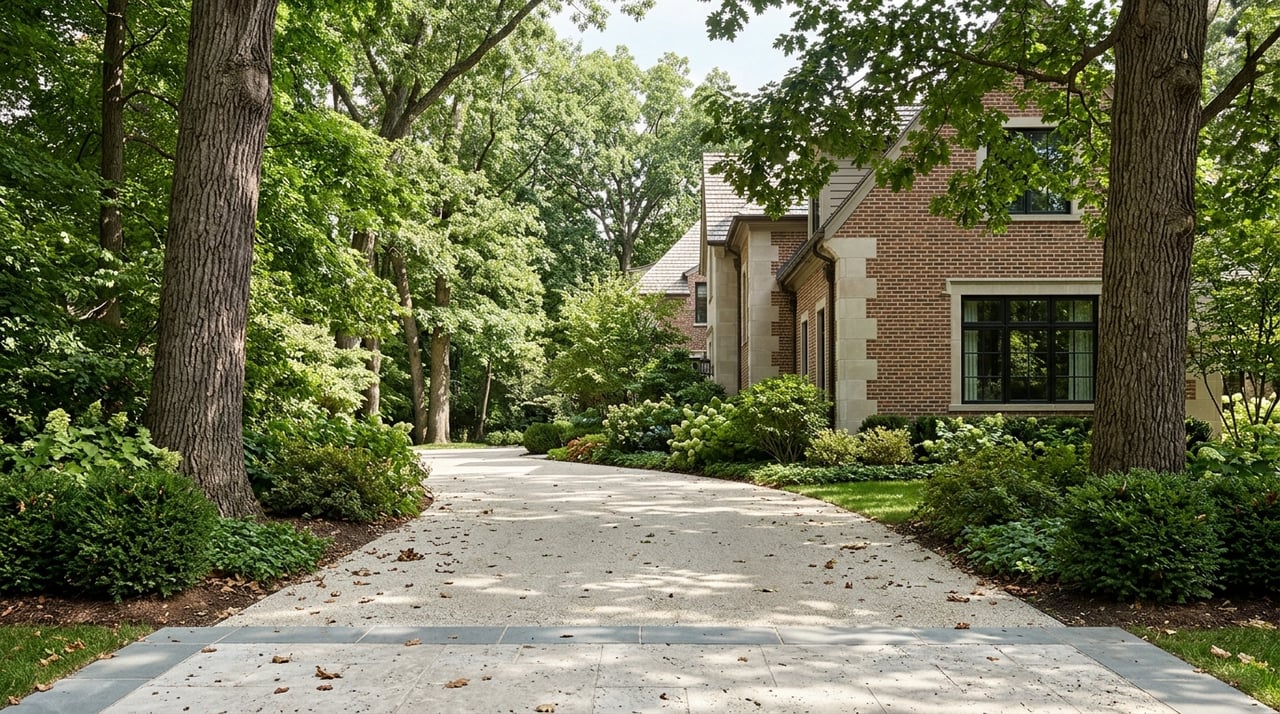
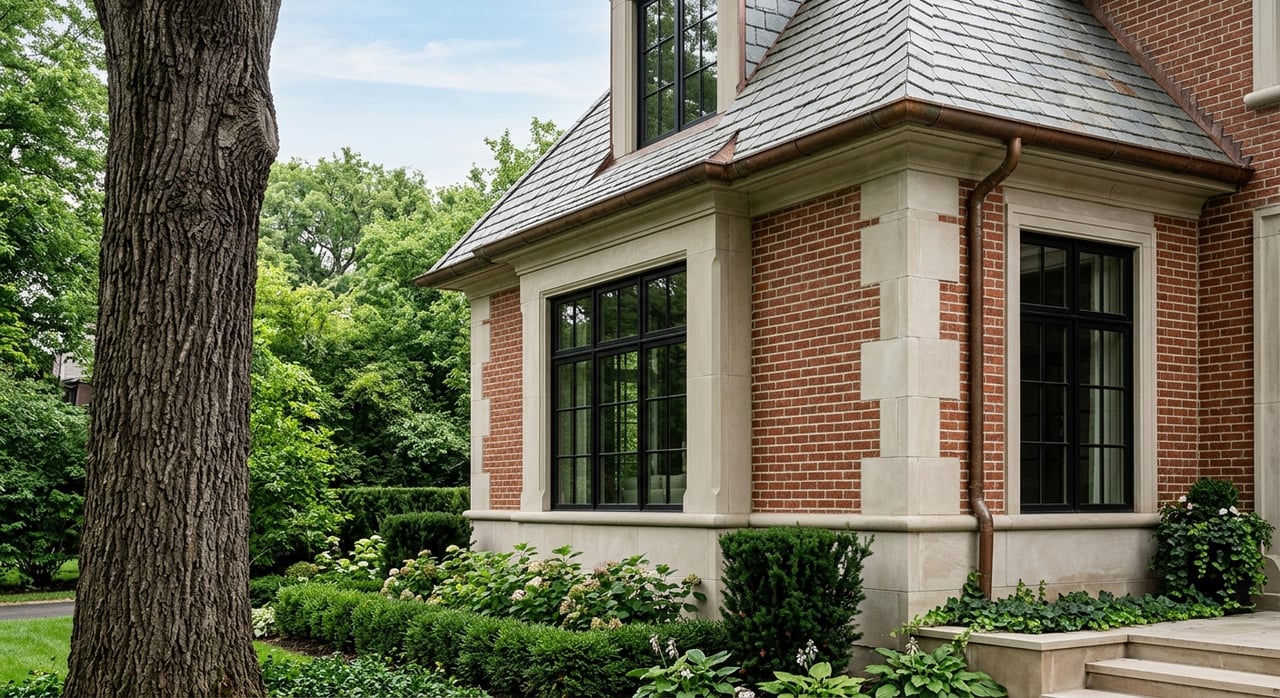
The village’s architectural design guidelines also reinforce that estate character. Traditional styles such as Colonial Revival, Georgian, Tudor Revival, and French Country are common, and many properties include mature trees, long drives, and carefully planned setbacks.
Acreage alone does not set value
One of the biggest pricing mistakes with large-acreage homes is assuming more land automatically means a proportionally higher price. In Hunting Valley, land quality is not interchangeable with raw acreage.
The village’s design guidelines place attention on topography, natural features, drainage patterns, trees, views from roadways, and the relationship between buildings and the landscape. That means two properties with similar acreage can perform very differently in the market.
A buyer may pay more for a parcel with a strong approach sequence, usable outdoor areas, preserved sightlines, and a home that feels well placed on the land. A larger parcel with awkward grading, limited usable space, or disconnected site improvements may not command the same response.
What buyers notice on estate properties
When buyers tour a Hunting Valley property, they are often evaluating the full estate experience. The house matters, of course, but so does everything around it.
Key value drivers often include:
- Privacy from the road and neighboring properties
- Mature trees and natural landscape
- Long-term view corridors
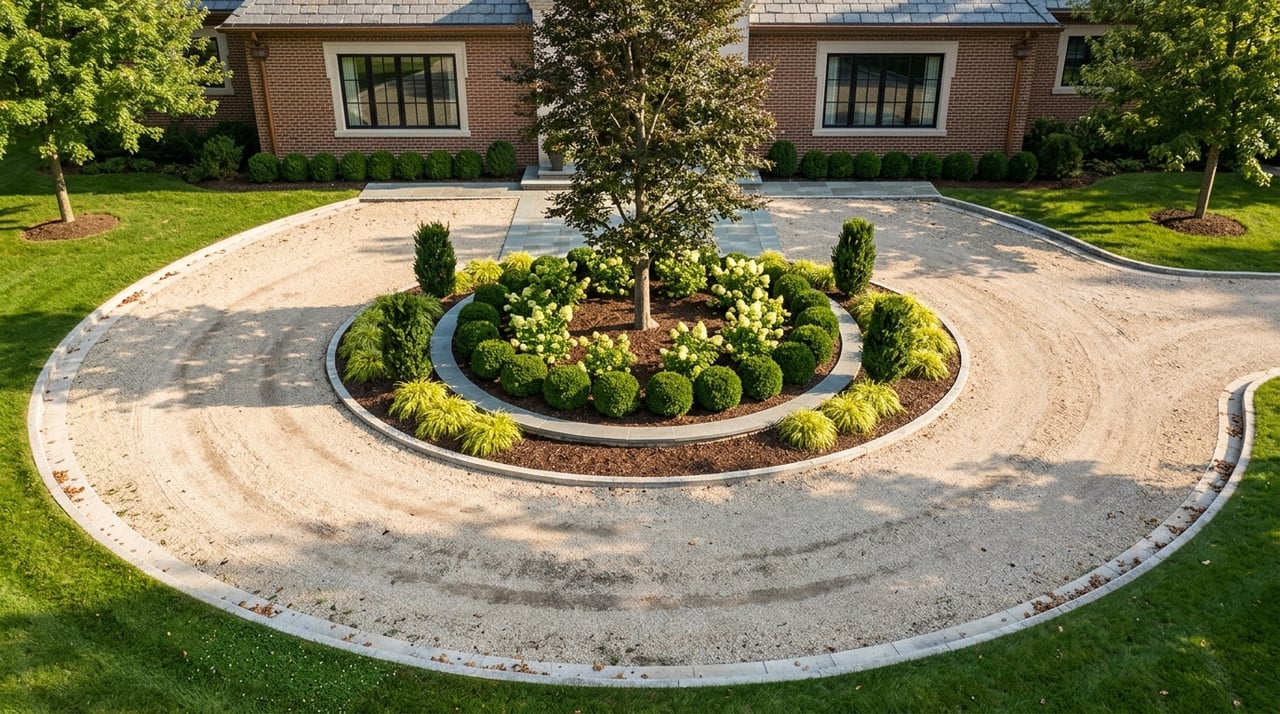
- The layout and condition of driveways and access points
- How the home sits on the site
- The integration of barns, garages, guest structures, pools, or sport courts
- The overall visual consistency of the estate
The village guidelines specifically call for accessory structures to respect the scale, proportion, and materials of the main home. Utilities, pools, and sport courts are also expected to be screened thoughtfully, with lighting kept low and restrained.
That matters for marketing because buyers in this segment often respond to coherence. They want the property to feel intentional, not pieced together over time without a clear plan.
Why the local data needs careful interpretation
Hunting Valley is a thin market, and that changes how pricing should be handled. Redfin reports only two homes sold over the last three months, with a median sale price around $1.5 million and homes selling about 2.4% under list price in a median of 34 days.
Those figures are useful as broad signals, but they should not be treated as a complete pricing formula. In a market with only a handful of sales, one closing can move the median in a meaningful way.
That is why a strong pricing strategy often looks beyond Hunting Valley alone. Relevant estate sales in nearby communities such as Chagrin Falls and Gates Mills may help build a more realistic comparison set, especially when they share similar lot patterns, price points, and property styles.
The recent range in nearby sales shows how wide that comparison band can be. Reported sales include a Hunting Valley closing at $1,982,951 on Cedar Road, a Chagrin Falls sale at $1,625,000 on Roundwood Road, a Gates Mills sale at $1,125,000 on Cottesworth Lane, a Chagrin Falls sale at $947,000 on County Line Road, and a Chagrin Falls sale at $3,050,000 on Partridge Lane.
How to build a smarter pricing strategy
For a large-acreage home in Hunting Valley, pricing should be based on layered analysis, not a simple formula. You need to look at the property through both a local and estate-market lens.
A smart pricing approach usually includes:
- The most relevant recent Hunting Valley sales
- Comparable estate sales from nearby luxury corridors
- Adjustments for site quality, privacy, and usable land
- Consideration of architectural style and condition
- Evaluation of outbuildings and outdoor amenities
- Awareness of how limited current inventory may affect buyer behavior
Public portal data currently shows very few homes for sale in Hunting Valley. Realtor.com shows only three homes for sale, while median listing price and median days on market are listed as not available. That limited supply may help support pricing discipline, but only if the home enters the market in a way that matches buyer expectations.
Pre-listing work can affect timing
If you are considering improvements before listing, timing matters in Hunting Valley. Exterior changes, additions, lighting, fences, pools, barns, and other visible site work may involve review and approvals.
The village’s Architectural Board of Review requires a detailed submission package for qualifying projects. Depending on the scope, that may include lot acreage, boundaries, setbacks, neighboring homes, topography, driveways, walkways, landscaping, lighting concepts, drawings, materials, photos, and 3D visualizations.
Preliminary review is required for new construction and recommended for large additions or significant renovations. Projects must receive Architectural Board of Review approval before a building permit is issued.
The village’s 2026 schedule also matters. Architectural Board of Review meetings are held on the second Monday at 5:00 p.m., Planning and Zoning meets on the second Tuesday at 7:45 a.m., and submissions are due by 4:00 p.m. on the published cutoff date 10 working days before the meeting.
In practice, that means a late decision to improve the property can push back your launch by a full review cycle or more. If your goal is to list in a specific season, it is wise to start planning early.
Verify records before you list
Estate properties often have longer ownership histories, multiple improvements, and more complex land records than a typical home. Before going live, it is helpful to confirm key property information.
Cuyahoga County’s MyPlace portal includes general property information, transfers, values, land, building information, permits, and a property summary report. The county’s recorded-document search also covers deeds from 1810 to the present.
This review can help you catch issues early, organize documents for buyers, and present the property more clearly. It can be especially useful if the home includes additions, accessory structures, or site features completed over many years.
Marketing should tell the estate story
A large-acreage home in Hunting Valley should not be marketed like a standard luxury listing. The land is part of the product, and buyers need help seeing how the full property lives.
That means photography and marketing materials should do more than show attractive rooms. They should explain the experience of arriving, moving through the site, and understanding how the house, landscape, and supporting structures work together.
Strong estate marketing often highlights:
- The entrance and approach from the road
- The scale and placement of the home on the parcel
- Mature trees and natural landscape features
- Open lawn, wooded areas, and view corridors
- The relationship between the main house and accessory buildings
- Driveway layout, motor court, or guest parking areas
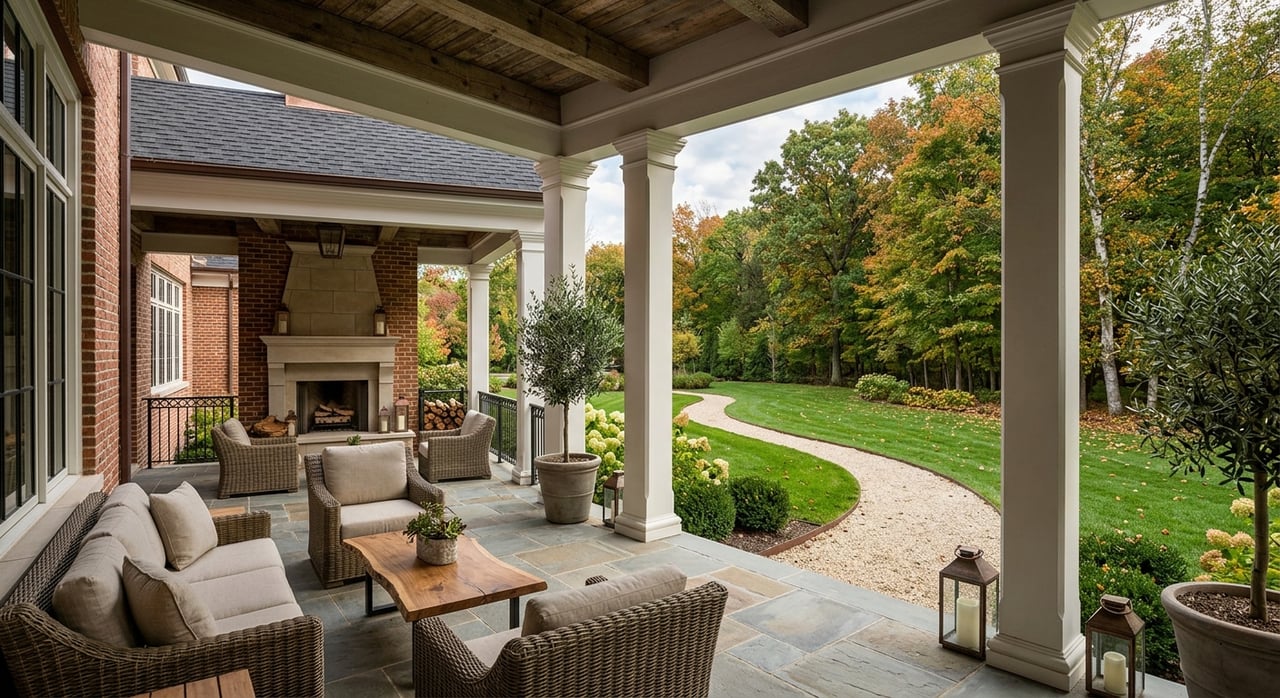
- Outdoor living spaces in their broader setting
In Hunting Valley, this matters even more because the village’s design rules point toward what buyers are likely to value visually. A listing should document the property’s estate setting clearly, rather than treating the acreage as background.
Presentation should support price
In the upper end of the market, presentation and pricing work together. If the asking price reflects a premium estate narrative, the visuals and property story need to support that position from day one.
That may include refining landscaping, organizing maintenance records, clarifying access details, and making sure accessory structures show well. On estate properties, buyers often notice whether the entire site feels maintained and thoughtfully planned.
It also helps to be realistic. A polished launch creates momentum, but buyers in this segment are usually careful and detail-oriented. Clear information, strong visuals, and a disciplined pricing strategy tend to outperform guesswork.
Tax details can matter on acreage-heavy holdings
If part of your property is devoted exclusively to commercial agriculture, Ohio law allows an owner to request current agricultural use valuation, often called CAUV. The Ohio Legislative Service Commission notes that CAUV typically values farmland below market value when development pressure is present.
That does not automatically apply to every large parcel, but it can matter in pricing and tax discussions when actual agricultural land is involved. For sellers with acreage-heavy holdings, this is one more reason to review the property’s details carefully before setting a market strategy.
Why local estate experience matters
Selling a large-acreage home in Hunting Valley calls for more than a standard listing plan. You need pricing judgment that accounts for a tiny sales sample, nearby estate comparables, village review timelines, and the unique way buyers evaluate land, privacy, and presentation here.
You also need marketing that matches the property. In a specialized estate market, the right story, the right visuals, and the right pricing discipline can make a meaningful difference in both buyer response and final outcome.
If you are thinking about selling in Hunting Valley and want a tailored plan for your property, Adam Kaufman can help you evaluate timing, pricing, and presentation with the kind of local estate-market perspective this village demands.
FAQs
How should you price a large-acreage home in Hunting Valley?
- You should base pricing on recent Hunting Valley sales, relevant nearby estate sales, and property-specific factors such as usable land, privacy, topography, views, and how well the home and site improvements work together.
Why does acreage not automatically raise value in Hunting Valley?
- In Hunting Valley, buyers often value site quality more than raw land count, including natural features, mature trees, drainage patterns, approach, setbacks, and the overall estate layout.
What records should you check before listing a Hunting Valley estate?
- You should review parcel details, transfer history, values, land and building information, permits, and recorded documents through Cuyahoga County sources before bringing the property to market.
Do pre-listing exterior improvements in Hunting Valley require approval?
- Many exterior changes may affect timing because the village’s Architectural Board of Review and related permit process can apply to projects such as additions, pools, lighting, fences, barns, and other visible site work.
What should marketing for a Hunting Valley estate emphasize?
- Marketing should highlight the full estate setting, including the approach, privacy, mature trees, natural landscape, accessory structures, and the way the house sits within the property.