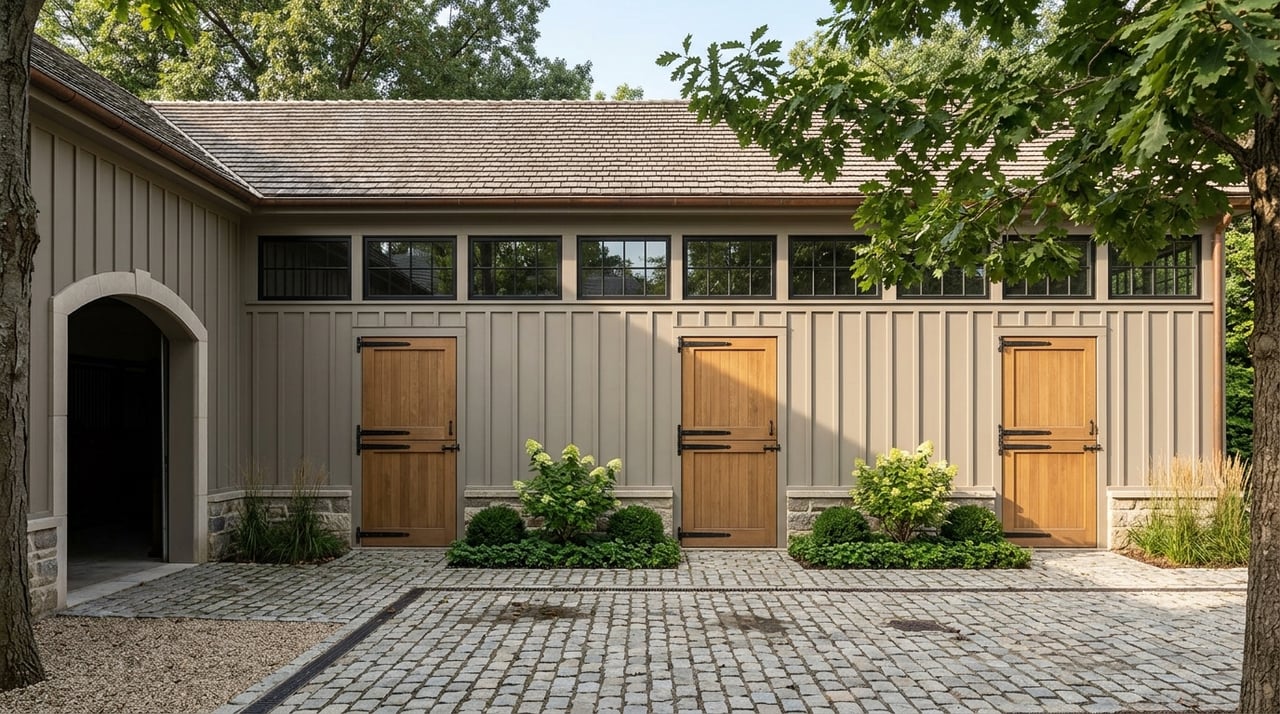
If you are looking for more than a typical suburban address, Hunting Valley stands apart right away. This is a place where acreage, landscape, and architecture shape daily life in a very intentional way. Whether you are searching for an estate property, thinking about equestrian use, or planning a future build or renovation, understanding how the village works can help you make smarter decisions. Let’s take a closer look.
Why Hunting Valley Feels Different
Hunting Valley is best described as an estate-oriented village, not a standard suburb. The village says it was incorporated in 1924 and spans eight square miles in the Chagrin River Valley, with a long identity tied to scenic land, conservation, and rural character.
That history still shows up today. Village architectural materials describe a landscape shaped by early 20th-century rural retreats, working farms, and sporting estates, with original and repurposed dwellings, barns, and stables still visible. If you value privacy, land, and a setting that feels preserved rather than built out, that distinction matters.
Estate Scale Starts With Land
One of the clearest differences in Hunting Valley is lot size. The village design guidelines state that low-density residential development has been maintained since incorporation through a minimum five-acre lot requirement.
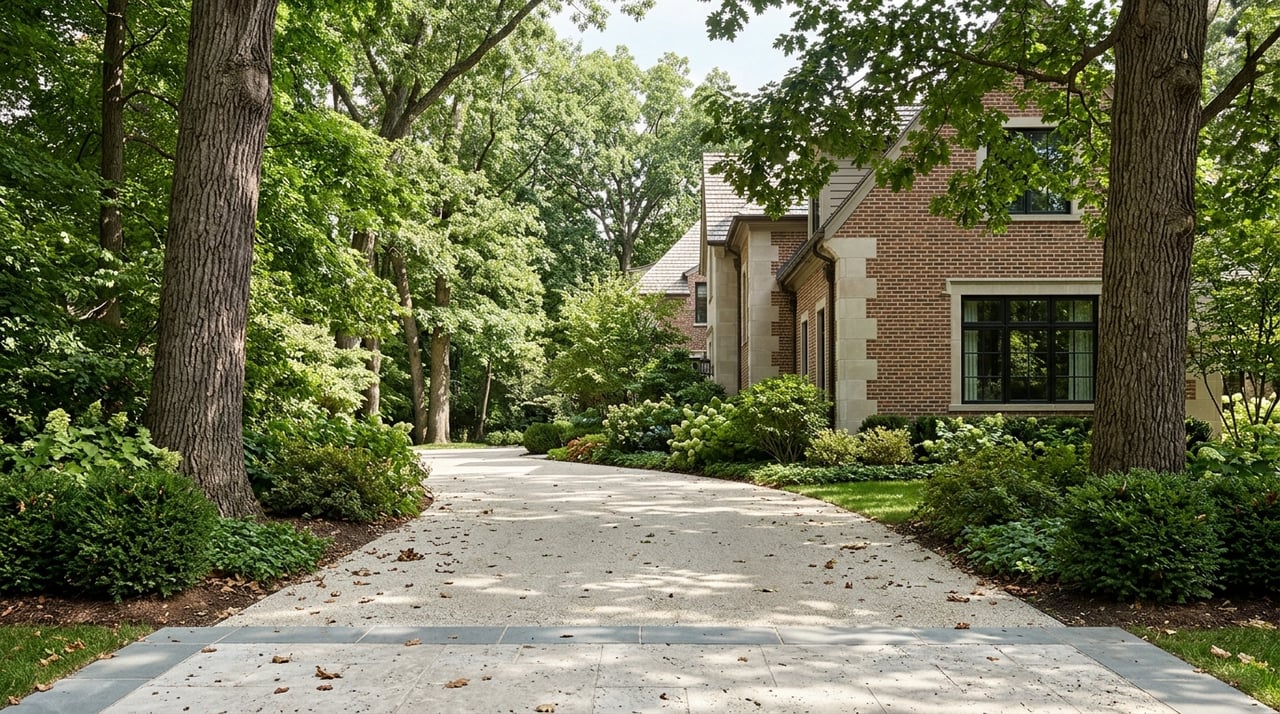
That standard changes the feel of the community in a major way. Instead of a conventional subdivision pattern, you see larger estate settings, longer driveways, more open space, and a stronger sense of separation between homes.
Conservation adds another layer. The same village guidelines note that many residents have placed conservation easements on parts of their properties, helping preserve the area’s rural character over time.
The village also treats conservation as an active responsibility. Its conservation materials describe tree-canopy and streambank work on village-owned land, and the service department handles roadside mowing and care for village conservation land.
Equestrian Living Is Part of the Story
For buyers drawn to horseback riding or horsekeeping, Hunting Valley offers more than a scenic backdrop. The lifestyle here connects private estate living with nearby public trail access that supports equestrian use.
Cleveland Metroparks says nearly 82 miles of trails are available for equestrian use. Riders must stay on designated bridle trails and attend their horse at all times, which helps define how this access works in practice.
That matters if you want a property that supports riding as part of everyday life. In and around Hunting Valley, the experience is not just about owning land. It is also about being close to an established trail network designed for actual horse use.
North Chagrin Reservation Access
North Chagrin Reservation is especially relevant for Hunting Valley buyers. According to the trail guide, it includes a 10.3-mile bridle trail along with routes such as Buttermilk Falls Trail, the Buckeye Trail, and the All Purpose Trail.
The reservation is described as a mix of wildlife sanctuaries, outdoor recreation areas, and outdoor education areas centered around places like A.B. Williams Memorial Woods and Squire’s Castle. That combination gives the area a strong connection to nature and outdoor recreation.
North Chagrin’s Oxbow Lane Trailhead also offers horse-trailer parking and access to the NC2 and NC4 bridle trails plus the Buckeye Trail. For equestrian-minded buyers, that is a practical detail, not just a lifestyle extra.
South Chagrin Reservation Access
South Chagrin Reservation adds another important option. Its trail guide shows a 15.3-mile bridle trail, and the reservation highlights features such as the Chagrin River, Henry Church, Jr. Rock, Look About Lodge, and broad forest-and-meadow landscapes.
The Polo Field Trailhead includes horse trailer parking for bridle-trail access. That setup reinforces the idea that riding infrastructure is part of the larger landscape around Hunting Valley.
What Horse Owners Should Know
If you are thinking about keeping horses on your property, village rules are an important part of the buying decision. Hunting Valley does allow horse-related uses, but they are regulated in ways that affect site planning and daily management.
The village code says stables, pasture shelters, and other horse-related structures generally must be at least 150 feet from a property line, highway, or public road. Manure must also be kept at least 150 feet away and maintained in a manner that does not create a nuisance.
The code also requires these facilities to be kept clean and free from filth, garbage, and rubbish. In other words, equestrian living is possible here, but it comes with clear expectations around upkeep and placement.
Horse trailers are also specifically addressed. The village code allows them among vehicles customarily stored in residential districts, but outdoor storage visible from neighboring premises must be screened.
Architecture Matters in Hunting Valley
In Hunting Valley, architecture is not treated as an afterthought. Exterior construction, additions, and alterations are reviewed by the Architectural Board of Review, and projects must receive approval before a building permit is issued.
That process is a big part of what protects the village’s visual consistency. If you are buying a property to renovate or planning to build, you should expect design review to be part of the path.
Site-plan submissions are expected to show details such as lot acreage, property boundaries, setbacks, existing and proposed structures, topography, driveways, walkways, landscaping, and lighting concepts. For estate properties, that level of review can have a meaningful impact on timeline, design, and budget.
Design Priorities to Expect
The village guidelines emphasize preserving open rural character and minimizing site disturbance. They also call for protecting significant trees and vegetation, maintaining drainage patterns, and minimizing exterior illumination to protect dark skies and reduce light trespass.
Those priorities shape how homes sit on the land. Large buildings should be broken into smaller articulated components, and garage openings should be oriented away from public view.
Materials matter too. The guidelines prefer durable, authentic materials rather than imitative ones, which supports a more lasting and estate-appropriate look.
Architectural Styles You Will See
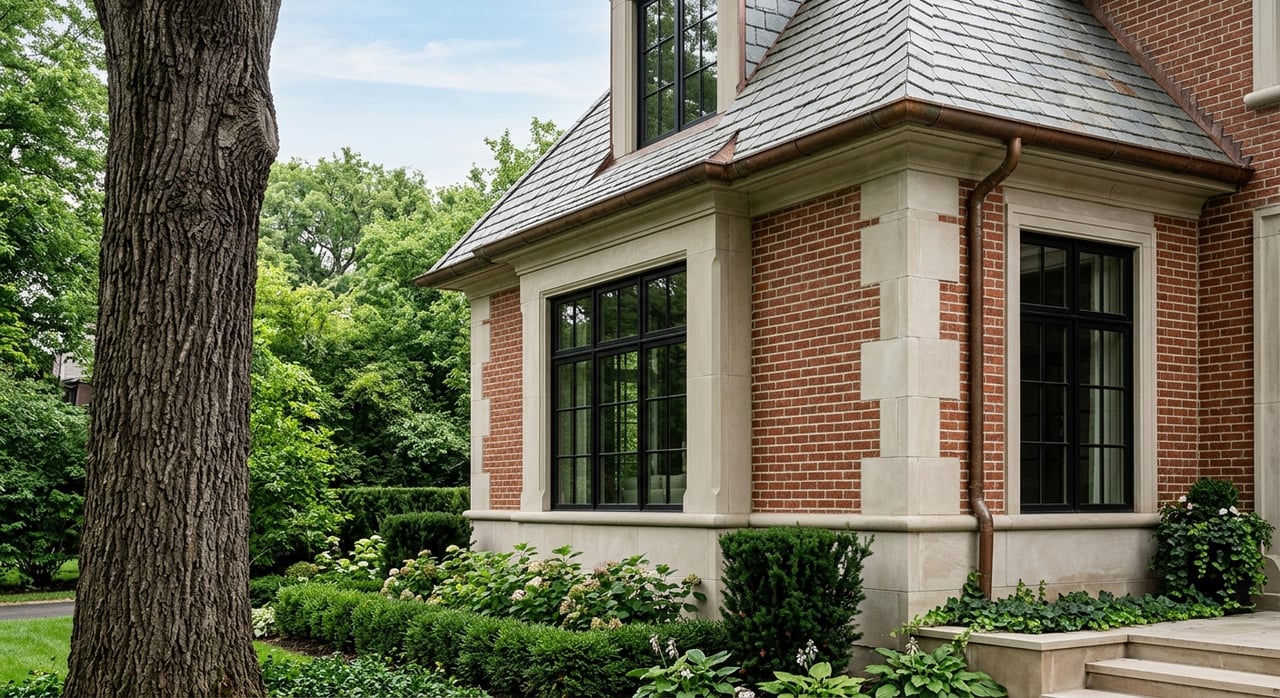
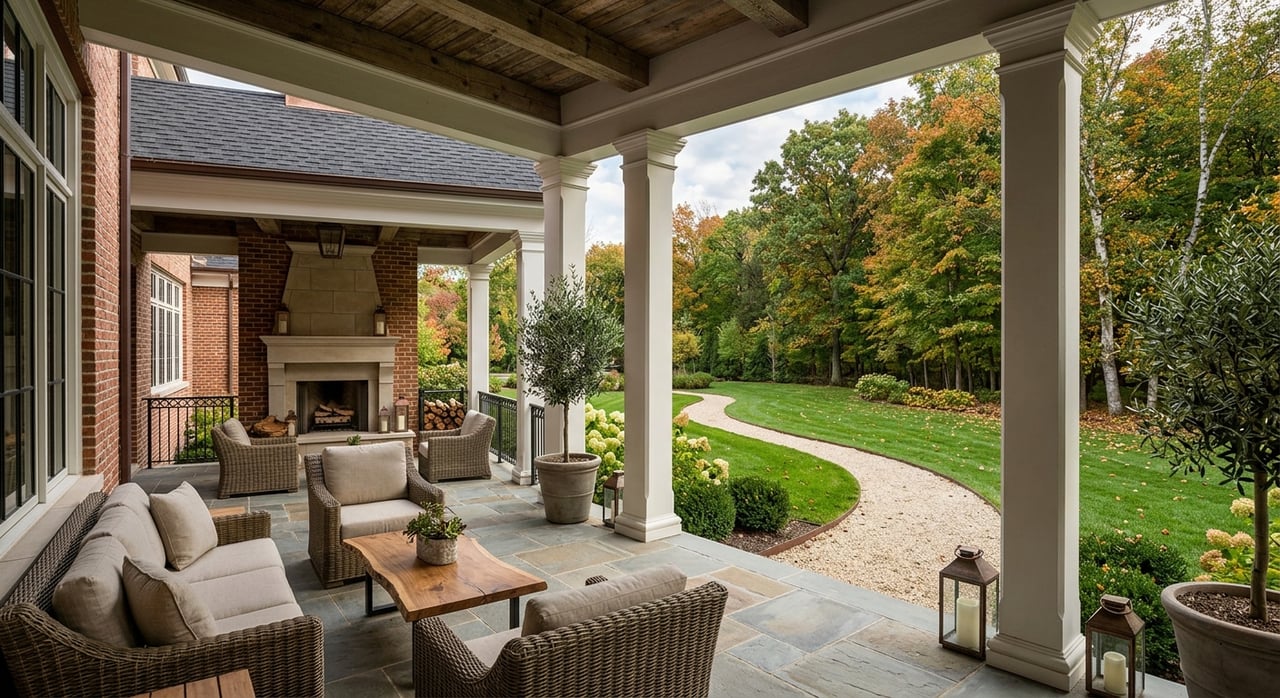
The design guidelines identify historically compatible styles such as Colonial Revival, Georgian, Tudor, French and English Country, and Shingle Style. Preferred materials include stone, brick, wood siding, slate, clay tile, wood shingles, copper, and high-quality wood-clad windows and doors.
For a buyer, this helps explain why the housing stock often feels cohesive even when homes vary in age and size. The village’s identity is closely tied to architectural continuity and thoughtful site planning.
Practical Ownership Details to Plan For
Estate ownership in Hunting Valley often involves more moving parts than a typical suburban property. Beyond the home itself, you may need to think through access, utilities, site conditions, and ongoing property management.
Driveways and private roads are one example. The village requires permits for driveway and private-road construction or improvement, and its service department says it is responsible for about 19 miles of public roads plus contracted snow plowing on 6.5 miles of private roads.
Utility planning can also vary by property. Village code says water supply may come from public or private mains or deep wells.
Private sewage treatment systems require ongoing registration and inspection with the village and county health department. If you are comparing properties, these details can shape both convenience and long-term maintenance planning.
What Luxury Buyers Should Take Away
If you are considering Hunting Valley, the main appeal is not just square footage or prestige. It is the combination of land scale, conservation, equestrian access, and architectural discipline that creates a distinct estate environment.
That also means due diligence matters. A beautiful property may come with design-review considerations, utility questions, horsekeeping rules, or site-planning issues that deserve careful review before you buy.
For many buyers, that is exactly the point. Hunting Valley offers a more protected and intentional setting than many nearby communities, and that character is supported by real standards, not just marketing language.
If you are weighing a move to Hunting Valley or preparing to sell an estate property there, working with someone who understands the village’s nuances can make the process much clearer. For tailored guidance on Hunting Valley homes, estates, and luxury market strategy, connect with Adam Kaufman.
FAQs
What makes Hunting Valley different from other suburbs near Cleveland?
- Hunting Valley stands out for its minimum five-acre lots, conservation-minded setting, formal architectural review, and long-established rural estate character.
Can you keep horses on residential property in Hunting Valley?
- Yes, but horse-related structures and manure storage are regulated by village code, including setback and maintenance requirements.
Where can riders find bridle trails near Hunting Valley?
- Nearby options include North Chagrin Reservation with a 10.3-mile bridle trail and South Chagrin Reservation with a 15.3-mile bridle trail, along with horse-trailer parking at key trailheads.
What should buyers expect when building or renovating in Hunting Valley?
- Buyers should expect Architectural Board of Review approval before permits, detailed site-plan submissions, and design standards focused on rural character, landscape protection, and durable materials.
Are horse trailers allowed at homes in Hunting Valley?
- Yes, horse trailers are allowed among vehicles customarily stored in residential districts, but visible outdoor storage must be screened from neighboring premises.
What infrastructure details matter when buying an estate in Hunting Valley?
- Important details can include private drives or roads, driveway permitting, water source, and registration and inspection requirements for private sewage treatment systems.