By Adam S. Kaufman
Making your home more energy efficient is one of those improvements that pays off in multiple ways. Not only can it reduce your monthly utility costs, but it also makes your home more comfortable and can even add to its appeal when it comes time to sell. The good news is that improving energy efficiency does not have to mean a major overhaul of the entire space; there are plenty of practical steps, both large and small, that make a real difference.
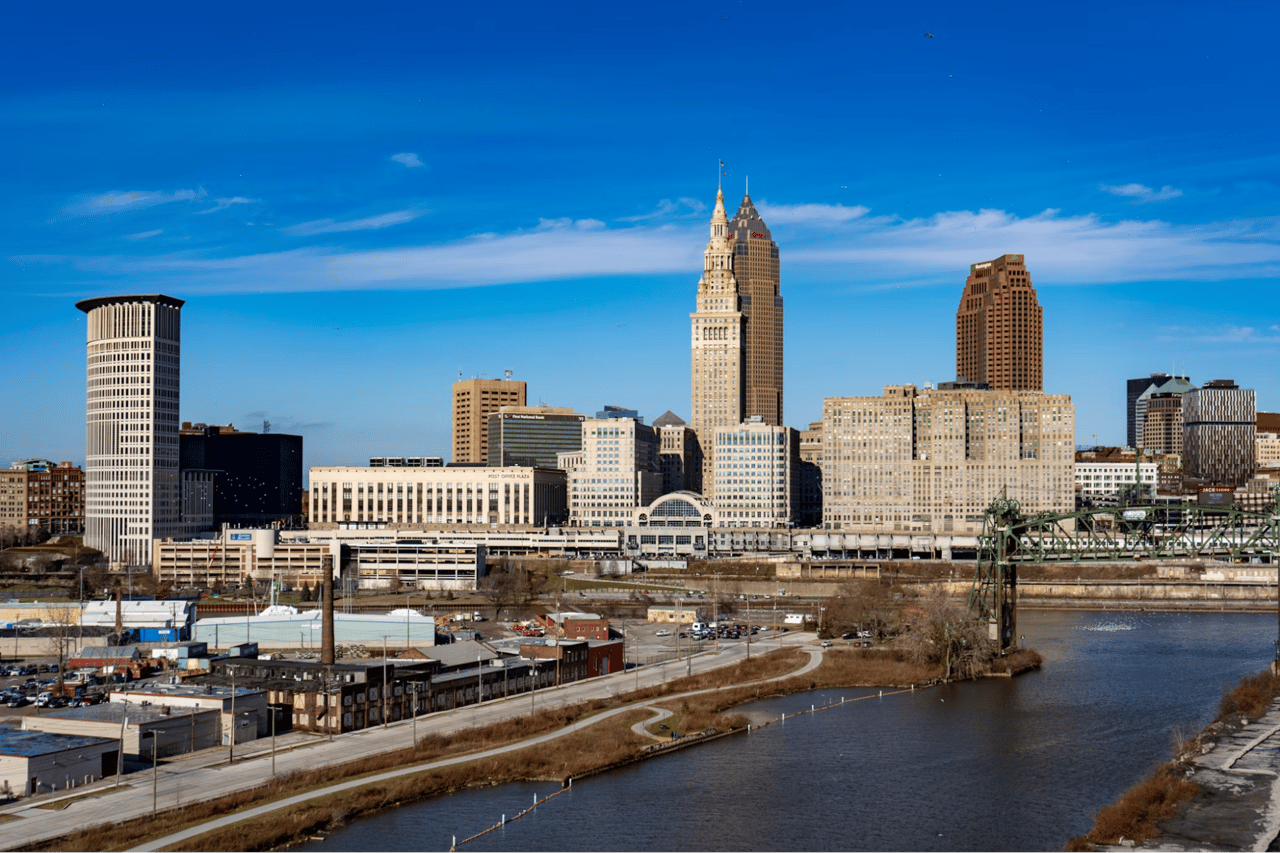
Here in Cleveland, where the weather brings cold winters and warm summers, energy efficiency is especially valuable. A home that holds heat well in the winter and stays cool in the summer is more comfortable to live in and less expensive to operate. Whether you are looking to lower your bills, increase your comfort, or boost your home's appeal, energy-efficient upgrades are well worth considering.
Key Takeaways
- Proper insulation and sealing are foundational to energy efficiency.
- Upgrading heating and cooling systems can yield significant savings.
- Energy-efficient windows improve both comfort and efficiency.
- Smaller changes, such as LED lighting, add up over time.
- Energy efficiency improves comfort, lowers costs, and adds appeal.
Start With Insulation and Sealing
Some of the most impactful energy-efficiency improvements start with proper insulation and sealing. A home that is well-insulated and adequately sealed holds conditioned air far more effectively, which means that your heating and cooling systems do not have to work as hard. This is especially important in Cleveland's climate, where both winter heating and summer cooling can drive up energy costs.
Improving insulation in key areas like the attic and walls, along with sealing gaps and cracks around windows, doors, and other openings, can make a noticeable difference in both comfort and energy bills. These improvements address one of the most common sources of energy waste, which is conditioned air escaping the home. Starting here often provides some of the best return on your energy-efficiency efforts.
Improving insulation in key areas like the attic and walls, along with sealing gaps and cracks around windows, doors, and other openings, can make a noticeable difference in both comfort and energy bills. These improvements address one of the most common sources of energy waste, which is conditioned air escaping the home. Starting here often provides some of the best return on your energy-efficiency efforts.
What To Address
- Adding or improving attic and wall insulation.
- Sealing gaps and cracks around windows and doors.
- Addressing air leaks in other openings throughout the home.
- Ensuring conditioned air stays inside where it belongs.
Upgrade Your Heating and Cooling Systems
Heating and cooling typically account for a substantial portion of a home's energy use, which makes these systems a worthwhile focus for efficiency improvements. Older systems tend to be far less efficient than newer ones, so upgrading to a modern, energy-efficient system can yield noticeable savings over time while also improving comfort levels throughout your home.
Beyond replacing an aging system, there are other ways to improve the efficiency of your heating and cooling setup. Regular maintenance keeps systems running efficiently, while a programmable or smart thermostat helps you manage temperatures more effectively and avoid wasting energy when you are away or asleep. In Cleveland's climate, where these systems work hard year-round, ensuring they run efficiently can make a substantial difference in your energy costs.
Beyond replacing an aging system, there are other ways to improve the efficiency of your heating and cooling setup. Regular maintenance keeps systems running efficiently, while a programmable or smart thermostat helps you manage temperatures more effectively and avoid wasting energy when you are away or asleep. In Cleveland's climate, where these systems work hard year-round, ensuring they run efficiently can make a substantial difference in your energy costs.
What To Consider
- Upgrading an older system to a modern, efficient one.
- Keeping systems well-maintained for peak efficiency.
- Installing a programmable or smart thermostat.
- Managing temperatures to avoid wasting energy.
Consider Energy-Efficient Windows
Windows play a significant role in a home's energy efficiency, since older or poorly sealed windows can let conditioned air escape and outside temperatures in. Upgrading to energy-efficient windows can improve both comfort and efficiency, helping your home stay warmer in the winter and cooler in the summer while reducing the load on your heating and cooling systems.
While replacing the windows is a larger investment, it can offer meaningful benefits in terms of comfort, energy savings, and even appeal to future buyers. If full window replacement is not in the cards, there are other steps that can make a difference, such as adding weatherstripping, using window treatments to manage heat and light, and sealing any gaps. These smaller measures can improve efficiency even without a full replacement.
While replacing the windows is a larger investment, it can offer meaningful benefits in terms of comfort, energy savings, and even appeal to future buyers. If full window replacement is not in the cards, there are other steps that can make a difference, such as adding weatherstripping, using window treatments to manage heat and light, and sealing any gaps. These smaller measures can improve efficiency even without a full replacement.
What To Consider
- Upgrading to energy-efficient windows where feasible.
- Adding weatherstripping to improve sealing.
- Using window treatments to manage heat and light.
- Sealing any gaps around existing windows.
Smaller Changes That Add Up
Not every energy-efficiency improvement requires an extensive investment. There are plenty of smaller changes that, taken together, can make a world of difference in your home's energy use. Switching to LED lighting, for example, is an affordable change that reduces energy consumption and lasts far longer than traditional bulbs, making it one of the easiest upgrades to start with.
Other small steps include using energy-efficient appliances, being mindful of energy use throughout the home, and addressing small sources of waste as you notice them. While each of these changes may seem minor on its own, together, they can add up to noticeable savings over time. These smaller improvements are a great way to make progress on energy efficiency without a large upfront investment, and they often deliver an excellent return.
Other small steps include using energy-efficient appliances, being mindful of energy use throughout the home, and addressing small sources of waste as you notice them. While each of these changes may seem minor on its own, together, they can add up to noticeable savings over time. These smaller improvements are a great way to make progress on energy efficiency without a large upfront investment, and they often deliver an excellent return.
What To Try
- Switching to LED lighting throughout the home.
- Using energy-efficient appliances where possible.
- Being mindful of energy use day to day.
- Addressing small sources of waste as you notice them.
FAQs
What Is the Most Impactful Energy-Efficiency Improvement?
Insulation and sealing often provide some of the best return, since they address one of the most common sources of energy waste: conditioned air escaping the home.
Are Energy-Efficient Upgrades Worth the Cost?
In most cases, yes. Many upgrades pay for themselves over time through lower utility costs, while also improving comfort and adding to your home's appeal.
Do Energy-Efficient Improvements Add Value When Selling?
They can. Many buyers appreciate energy-efficient features, since they translate to lower operating costs and greater comfort, which can strengthen a home's appeal.
What Is the Easiest Energy-Efficiency Upgrade to Start With?
Switching to LED lighting is one of the easiest and most affordable upgrades, offering reduced energy consumption and far longer-lasting bulbs than traditional lighting.
Creating a More Efficient, Comfortable Home
Improving your home's energy efficiency is a smart investment that pays off through lower utility costs, greater comfort, and extra appeal. From insulation and sealing to system upgrades and energy-efficient windows, there are plenty of ways to make your Cleveland home more efficient, whatever your budget.
If you are considering energy-efficient improvements with an eye toward your home's value, I am here to help. Connect with me, Adam S. Kaufman, and we can talk through which upgrades make the most sense for your home and your goals.
If you are considering energy-efficient improvements with an eye toward your home's value, I am here to help. Connect with me, Adam S. Kaufman, and we can talk through which upgrades make the most sense for your home and your goals.