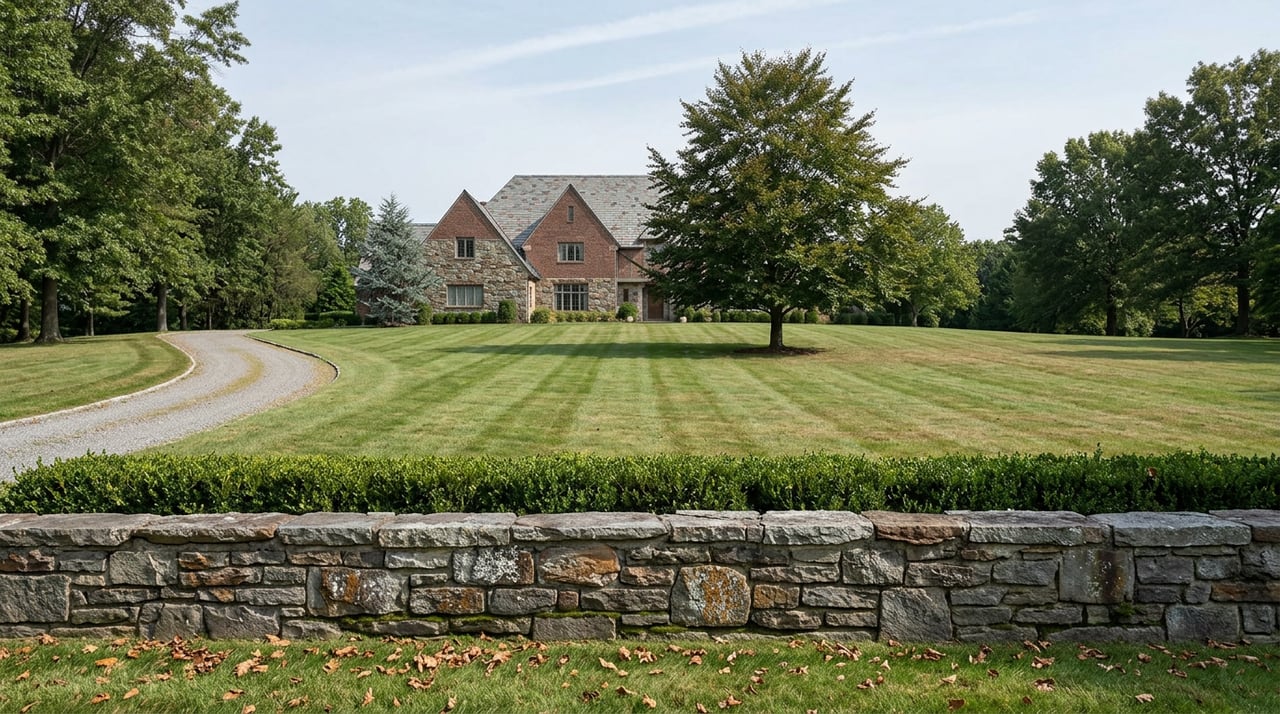
The corner of Chagrin River Road and South Woodland Road still carries the name Polo Field, and on a clear September afternoon it still looks the part: open turf running toward the tree line, a scatter of dog walkers and joggers cutting across the grass, a parking area that doubles as the northernmost trailhead into South Chagrin Reservation. Cleveland Metroparks describes the space plainly on its own site: when no show is booked, this is where people come to walk, jog, ride casually, and sit in the sun.
What that description leaves out is what used to fill this field every July, and where that event went instead.
The Grandstands Left in 2021
For decades, the Polo Field was the summer address of the Chagrin Hunter Jumper Classic, organized by the nonprofit Chagrin Valley Professional Horseman's Association. The show has run since 1949, and in 1965 it introduced the Cleveland Grand Prix on this same turf, the first show jumping grand prix event in North America. That's not a regional claim. It's a national first, and it happened on the field at the edge of Hunting Valley.
Rising costs and repeated weather problems caught up with the volunteer-run event, and in 2021 the Classic relocated to Chagrin Valley Farms in Bainbridge Township, where it still runs today. The 2026 schedule keeps that arrangement in place: Opening Weekend runs July 3 through 5, Rated Week runs July 8 through 12, and both take place on the newer footing at Chagrin Valley Farms rather than the grass at the Polo Field.
The move wasn't a scandal or a decline. It was a practical relocation to a facility built for the show's current scale. But it changed what the Polo Field actually is. The grandstands, the vendor tents, the national-caliber jumping course, all of that belongs to Bainbridge now.
What the Field Does Instead
The field kept its name and its shape. Cleveland Metroparks still lists it as a summer host site for horse and dog shows, and organized events still book the grounds. What changed is the emphasis. The description of daily use on the metroparks' own page is unglamorous by design: walkers, joggers, dog owners, people out for the sunshine, and riders using the space for casual work rather than competition. The field also functions as a trailhead, the starting point for hikes south along the Chagrin River floodplain into South Chagrin Reservation.
In other words, the Polo Field went from a once-a-year showcase to a piece of everyday infrastructure. That's not a smaller story. It's a different one, and it's the story that actually describes how people use this ground now, on a random Tuesday rather than during Rated Week.
Two Miles Up the River, a Forest Opens
While the Polo Field was losing its marquee event, a different piece of ground inside the village limits was quietly changing status in the other direction.
The land sits at the corner of Fairmount Boulevard and Chagrin River Road, and its history reaches back further than the horse show ever did. Cleveland industrialist Myron Herrick owned the estate, known then as Shelter Hill. Charles Lindbergh landed there on his way through Ohio after the transatlantic flight, spent a few days riding horses with the Herrick family, then flew on toward Pittsburgh. He came back at least three more times, and told his hosts by letter that the place stayed among his favorite spots anywhere in the world.
The estate later became known as the Shiverick Property, and Western Reserve Land Conservancy spent years working toward its permanent protection, a project that involved multiple landowners, state and federal funding, and private donors. Hunting Valley Mayor Bruce Mavec, describing the partnership between the village and the conservancy, called it "one of our most important projects."
From Estate to Signature Preserve
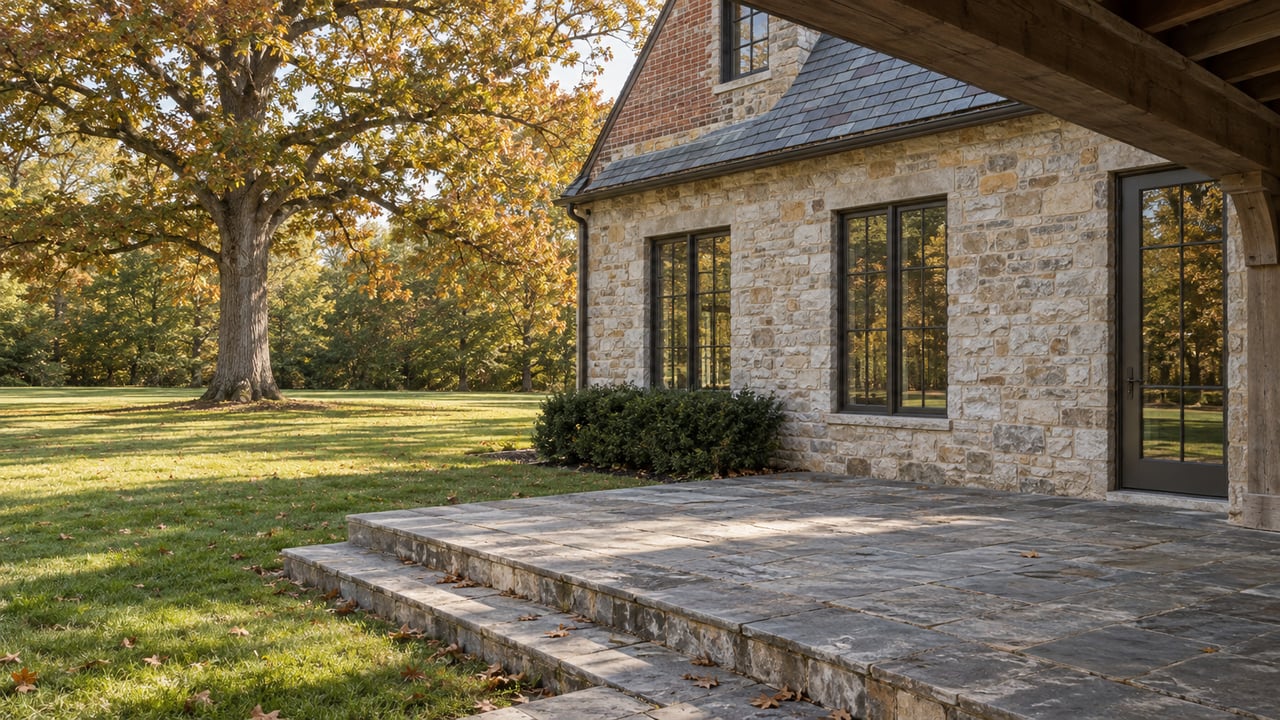
The 35 acres at the core of that project are registered separately as Shelter Hill Forest, an old-growth stand dominated by oak, maple, hickory, American beech, bitternut, and basswood. The Land Conservancy now operates the property as one of its Signature Preserves, a designation that means active trail expansion rather than a locked conservation easement sitting untouched.
The number worth holding onto here isn't the 35 acres alone. It's what those 35 acres connect to. The protection of this parcel was described by the conservancy as a key step toward linking more than 2,200 acres of contiguous open space stretching along 7.6 miles of the Chagrin River. A relatively small stand of old-growth trees turns out to be the piece that ties together a river corridor several times its size, forested uplands with hemlock ravines, Category 3 wetlands, and four Class A cold-water streams feeding into the Chagrin less than a quarter mile from the property line.
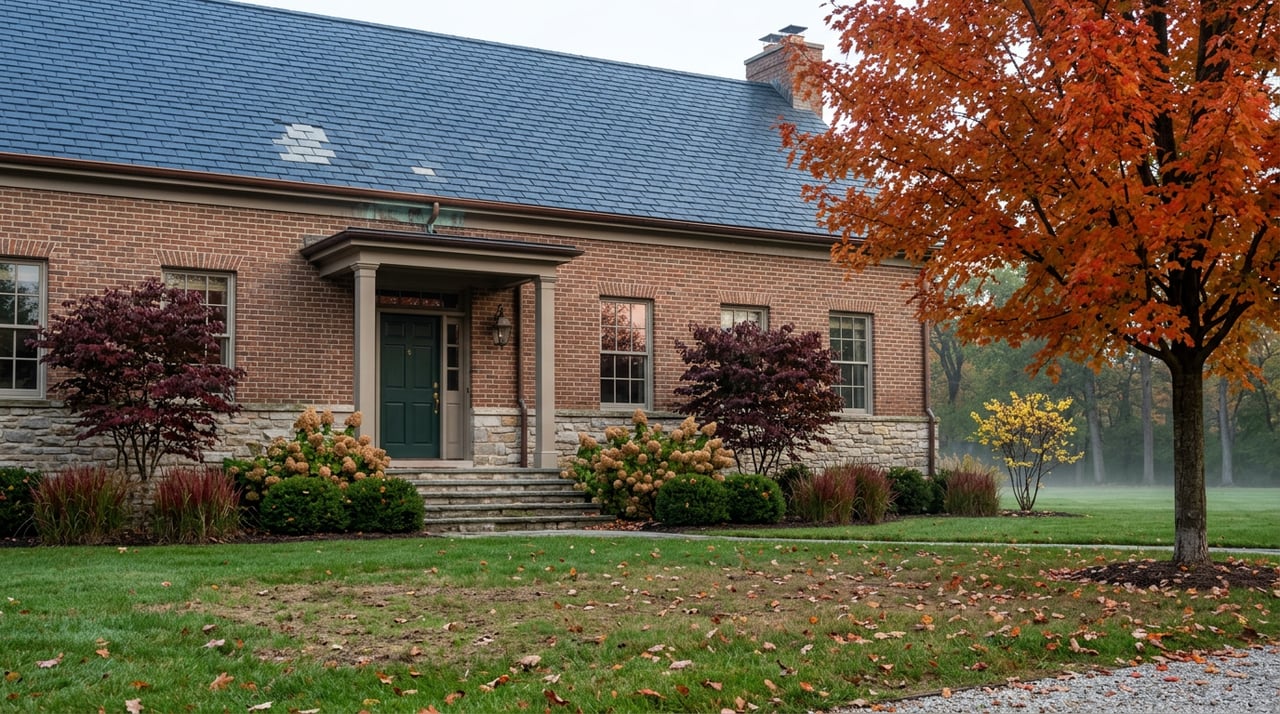
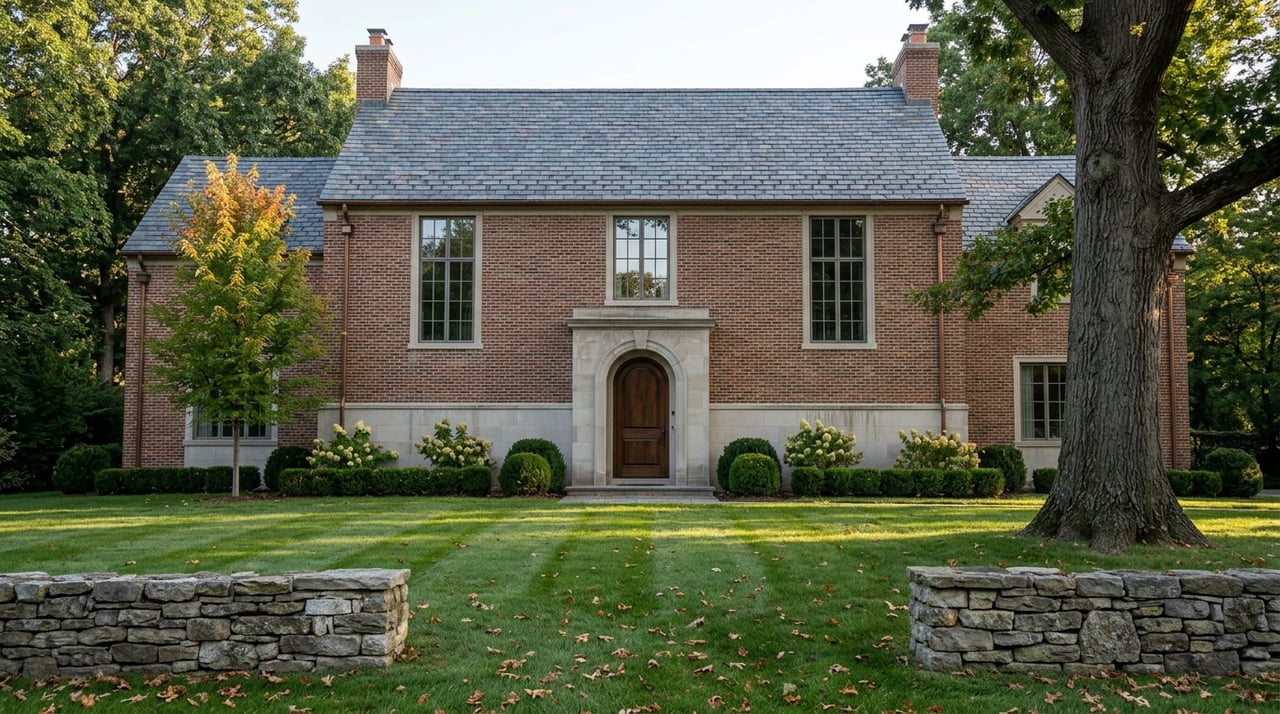
The historic stable complex on the site is being restored, and the oldest house in the village still stands on the grounds. This isn't land waiting to be developed with a trail as an afterthought. It's a working restoration project that happens to also be opening to walkers.
The Rest of the Village's Protected Ground
Shelter Hill Forest isn't the only preserve inside Hunting Valley's boundaries. The Tremaine Preserve, roughly 64 acres, sits within the village as well, also under the conservancy's management. Both trace back to an effort that started here specifically: the Chagrin River Land Conservancy was founded in 1987 by Hunting Valley residents who wanted to protect the river corridor before development caught up with it, and that organization later merged with seven other local land trusts in 2006 to become Western Reserve Land Conservancy, now the largest land trust in Ohio.
That history matters because it explains why the village's outdoor life was never really built around a single flagship venue the way the Polo Field's horse show made it look for a few decades. The show was visible and photographed and easy to point to. The preserves were the quieter, longer project, started by the same community, running the whole time underneath the more visible event.
Now that the show has moved to Bainbridge, the preserves are what's left carrying the outdoor identity of the village, and one of them just gained public trail access it didn't have before.
A walk that starts at the Polo Field trailhead and a walk through Shelter Hill's expanding trail system are becoming the two real anchor points for time outdoors in Hunting Valley this fall. One is a working piece of parkland that lost its biggest event and settled into daily use. The other is a private estate with a Lindbergh story that spent decades as protected but largely inaccessible ground and is only now becoming a place residents can actually walk through.
Neither ground looks like what it used to be a few years ago, and neither change made headlines outside the village. That's usually how it goes here.
For more on what makes this stretch of the Chagrin River Valley worth knowing, the Hunting Valley neighborhood guide covers the broader area. If you're weighing a move into the village or working through what a property here is actually worth, Adam Kaufman knows this ground well enough to talk through it directly. Just Ask Adam.