Cleveland offers a distinctive mix of culture, history, lakefront living, and strong neighborhood identities. Anyone moving to Cleveland OH will find a city rooted in tradition yet continually reinventing itself. Its neighborhood identities, cultural institutions, and lakefront access create a distinctive living experience that appeals to a wide range of households. Cleveland’s scale allows residents to explore the city’s offerings with ease, from historic homes and major museums to local cafés and outdoor spaces.
Cleveland’s Layout
Cleveland’s neighborhoods differ significantly in style, age, and character. The east side is renowned for its tree-lined streets, historic homes, and cultural anchors, including University Circle. This district includes museums, performance venues, and landscaped public spaces. The west side offers a more eclectic mix of early 20th-century homes, walkable neighborhoods, and a variety of restaurants. Areas such as Ohio City and Tremont blend restored housing with modern development, giving you a mix of classic architecture and redesigned living spaces.
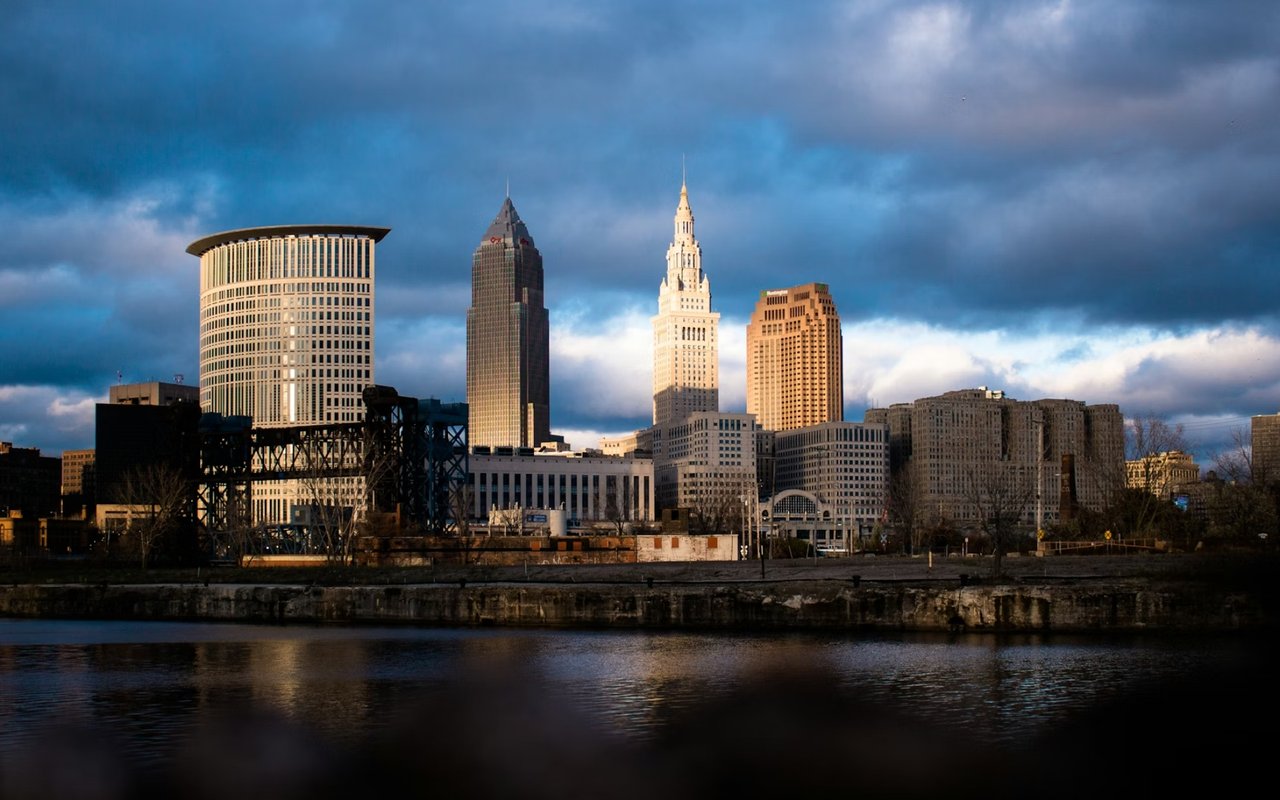
Downtown Cleveland has grown into a lively residential hub with renovated warehouses, high-rise apartment buildings, and riverfront views along the Cuyahoga. Residents who prefer a structured, professional setting often find downtown appealing due to walkable access to offices, dining, and sporting venues.
Downtown Cleveland has grown into a lively residential hub with renovated warehouses, high-rise apartment buildings, and riverfront views along the Cuyahoga. Residents who prefer a structured, professional setting often find downtown appealing due to walkable access to offices, dining, and sporting venues.
Getting to Know Cleveland’s Lakefront Lifestyle
Lake Erie plays a major role in the daily experience of Cleveland residents. Waterfront access is available through public parks, marinas, and bike paths that connect several neighborhoods. Edgewater Park, one of the city’s most visited lakefront destinations, offers wide-open shoreline, trails, and picnic areas. In the summer months, locals often gather for concerts or sunset views along the western pier.
Living near the lake offers consistent access to boating, kayaking, or simply enjoying the open air. Even neighborhoods that sit farther inland still benefit from easy access to the lake via major roads and parkways. The shoreline anchors Cleveland’s outdoor culture, providing future residents with an inviting natural landscape just minutes from the urban center.
Living near the lake offers consistent access to boating, kayaking, or simply enjoying the open air. Even neighborhoods that sit farther inland still benefit from easy access to the lake via major roads and parkways. The shoreline anchors Cleveland’s outdoor culture, providing future residents with an inviting natural landscape just minutes from the urban center.
Cleveland’s Arts and Cultural Centers
Cleveland’s arts community maintains a strong national reputation. The Cleveland Orchestra is widely considered one of the top orchestras in the world. Nearby, The Cleveland Museum of Art offers a permanent collection spanning thousands of years, all housed in a series of interconnected galleries and modern wings. University Circle also hosts the Museum of Contemporary Art and several performance spaces, which are supported by Case Western Reserve University.
Downtown’s Playhouse Square is the largest performing arts district in the country outside of New York City. Restored theaters line the area with bright marquee lights and a distinctive outdoor chandelier installation. Residents moving to Cleveland often find themselves impressed by the extensive cultural offerings available throughout the year.
Downtown’s Playhouse Square is the largest performing arts district in the country outside of New York City. Restored theaters line the area with bright marquee lights and a distinctive outdoor chandelier installation. Residents moving to Cleveland often find themselves impressed by the extensive cultural offerings available throughout the year.
Sports and City Identity
Cleveland’s sports identity is woven deeply into the city’s character. Progressive Field, home of the Guardians, anchors downtown near the Rocket Arena, where the Cavaliers play. Huntington Bank Field sits along the lakefront, bringing thousands of fans to the city’s edge on game days. The compact layout of these venues keeps sports activity central and accessible.
Beyond professional teams, Cleveland hosts several community-driven sporting events and marathon races. For many households, Cleveland’s athletic culture provides a shared experience and unifying citywide pride. Anyone moving to Cleveland OH will quickly notice how sports function as a regular part of local conversation and neighborhood gatherings.
Beyond professional teams, Cleveland hosts several community-driven sporting events and marathon races. For many households, Cleveland’s athletic culture provides a shared experience and unifying citywide pride. Anyone moving to Cleveland OH will quickly notice how sports function as a regular part of local conversation and neighborhood gatherings.
Food and Dining Across the City
Cleveland’s dining scene reflects its long-standing immigrant heritage and a growing roster of contemporary chefs. The West Side Market is one of the city’s signature destinations, featuring dozens of food vendors and long-running family stalls. It’s a place where residents shop for specialty meats, fresh produce, and bakery items.
Newer restaurants in neighborhoods such as Gordon Square, Little Italy, and Tremont highlight diverse cuisines and modern concepts. Downtown continues to add upscale dining and cocktail lounges, supported by residents living in nearby high-rises. The mix of legacy establishments and newcomer concepts keeps Cleveland’s dining landscape dynamic and continually evolving.
Newer restaurants in neighborhoods such as Gordon Square, Little Italy, and Tremont highlight diverse cuisines and modern concepts. Downtown continues to add upscale dining and cocktail lounges, supported by residents living in nearby high-rises. The mix of legacy establishments and newcomer concepts keeps Cleveland’s dining landscape dynamic and continually evolving.
Transportation and Navigating the Region
Cleveland offers several options for getting around the city and its surrounding suburbs. The Regional Transit Authority (RTA) operates bus routes and rail lines that span Lake County to the east and Cuyahoga County more broadly. The Red Line connects the airport to downtown with predictable timing, making it a convenient option for frequent travelers.
Major thoroughfares, including I-90, I-77, and I-71, intersect near downtown, allowing for quick travel between neighborhoods and nearby communities such as Shaker Heights, Lakewood, and Westlake. Many new arrivals appreciate the manageable commute times compared to those in larger metropolitan areas.
Major thoroughfares, including I-90, I-77, and I-71, intersect near downtown, allowing for quick travel between neighborhoods and nearby communities such as Shaker Heights, Lakewood, and Westlake. Many new arrivals appreciate the manageable commute times compared to those in larger metropolitan areas.
Architectural Styles and Housing Options
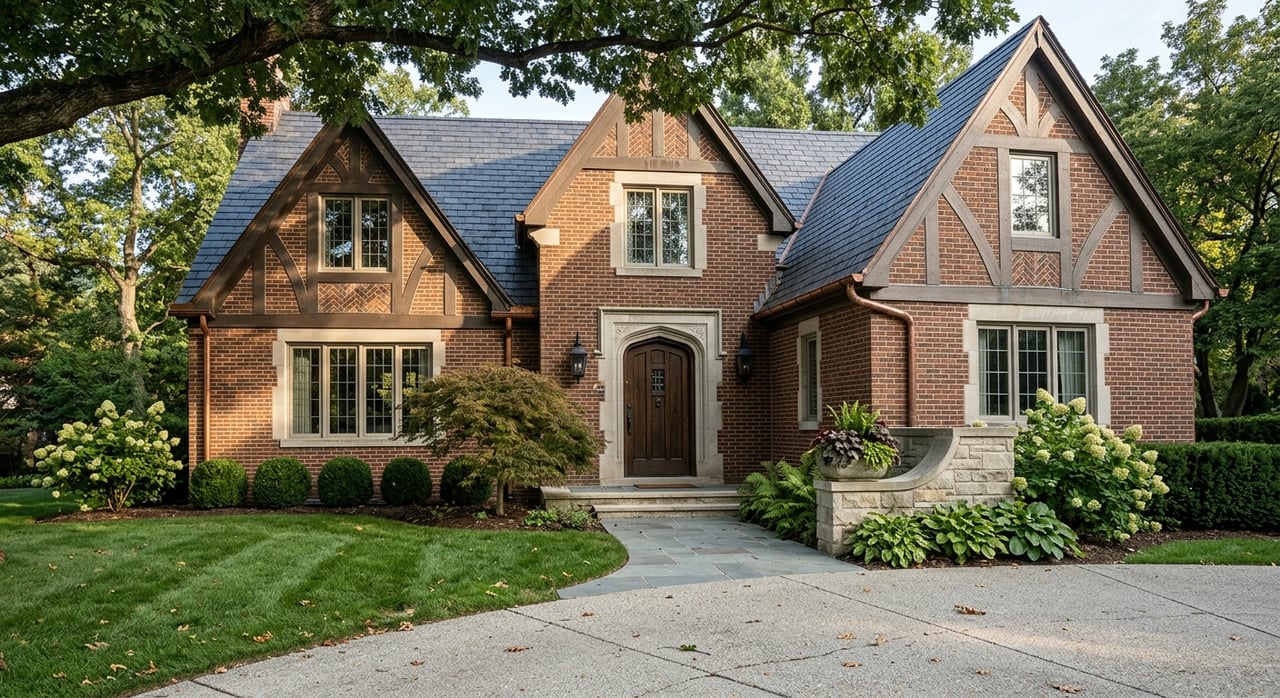
One of Cleveland’s most compelling qualities is its architectural range. East-side neighborhoods include Tudor homes, classic colonials, and landmark estates built in the early 20th century. Shaker Heights and Cleveland Heights exemplify residential planning that prioritizes green spaces, boulevards, and custom-built homes. These properties often feature original millwork, oversized windows, and carefully preserved details.
West-side neighborhoods are characterized by Victorian homes, bungalows, and updated townhouses. Tremont and Ohio City offer a mix of restored structures and modern infill, with rooftop decks and open-concept living spaces. Downtown and the Flats East Bank offer loft apartments and glass-enclosed residences with views overlooking the river or lake.
West-side neighborhoods are characterized by Victorian homes, bungalows, and updated townhouses. Tremont and Ohio City offer a mix of restored structures and modern infill, with rooftop decks and open-concept living spaces. Downtown and the Flats East Bank offer loft apartments and glass-enclosed residences with views overlooking the river or lake.
Outdoor Recreation in and Around Cleveland
Cleveland’s outdoor amenities extend beyond the lakefront. The Cleveland Metroparks system (often called the Emerald Necklace) surrounds the city with forests, picnic areas, golf courses, and hiking trails. Residents can quickly access these parks for weekend walks or long-running routes. The Cuyahoga Valley National Park, located between Cleveland and Akron, offers expansive trails, waterfalls, and scenic train rides through protected landscapes.
These recreational destinations give residents consistent access to nature while remaining close to urban conveniences. The balance of regional parks and city amenities is one of the reasons many newcomers find Cleveland a comfortable and appealing place to relocate.
These recreational destinations give residents consistent access to nature while remaining close to urban conveniences. The balance of regional parks and city amenities is one of the reasons many newcomers find Cleveland a comfortable and appealing place to relocate.
Start Your Cleveland Move with Local Expertise
If you’re ready to explore homes in Cleveland or want to understand the best neighborhoods for your lifestyle, Adam Kaufman is prepared to guide you. The city’s residential landscape offers endless opportunities, and expert support ensures you find the right match with confidence.
If you’re seeking expert guidance through the luxury real estate landscape of Cleveland, Ohio, connect with Adam S. Kaufman today.
If you’re seeking expert guidance through the luxury real estate landscape of Cleveland, Ohio, connect with Adam S. Kaufman today.